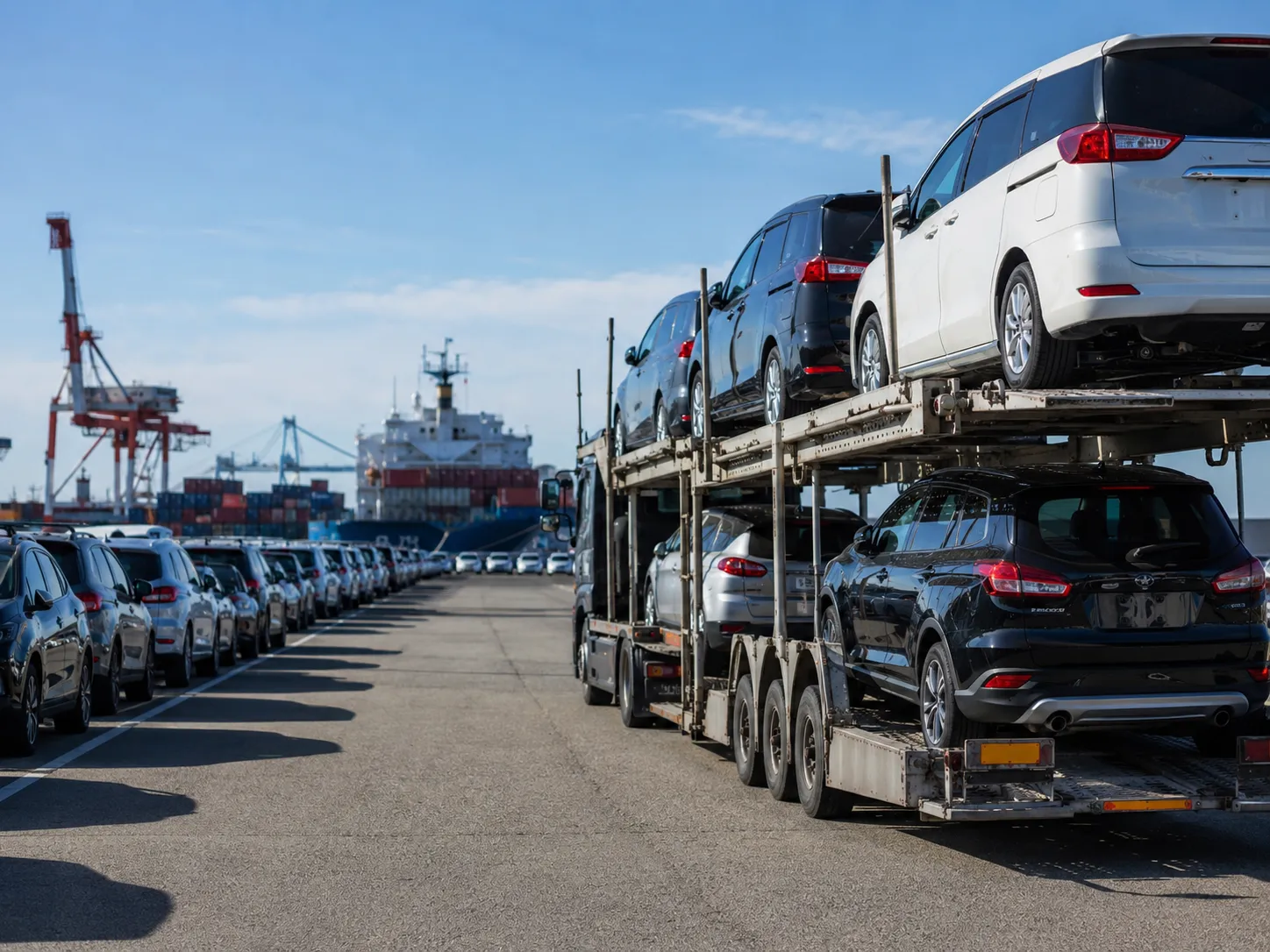
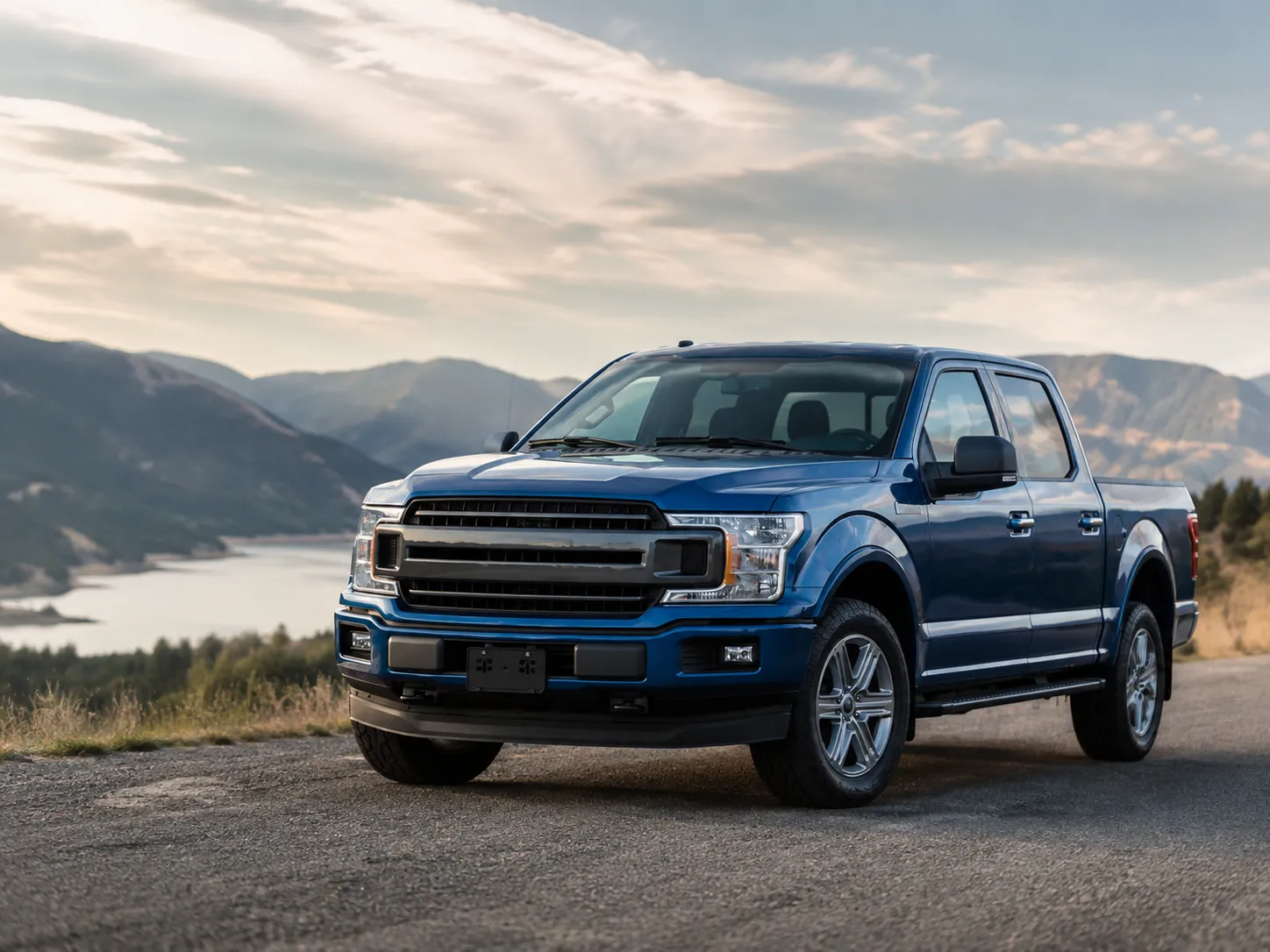
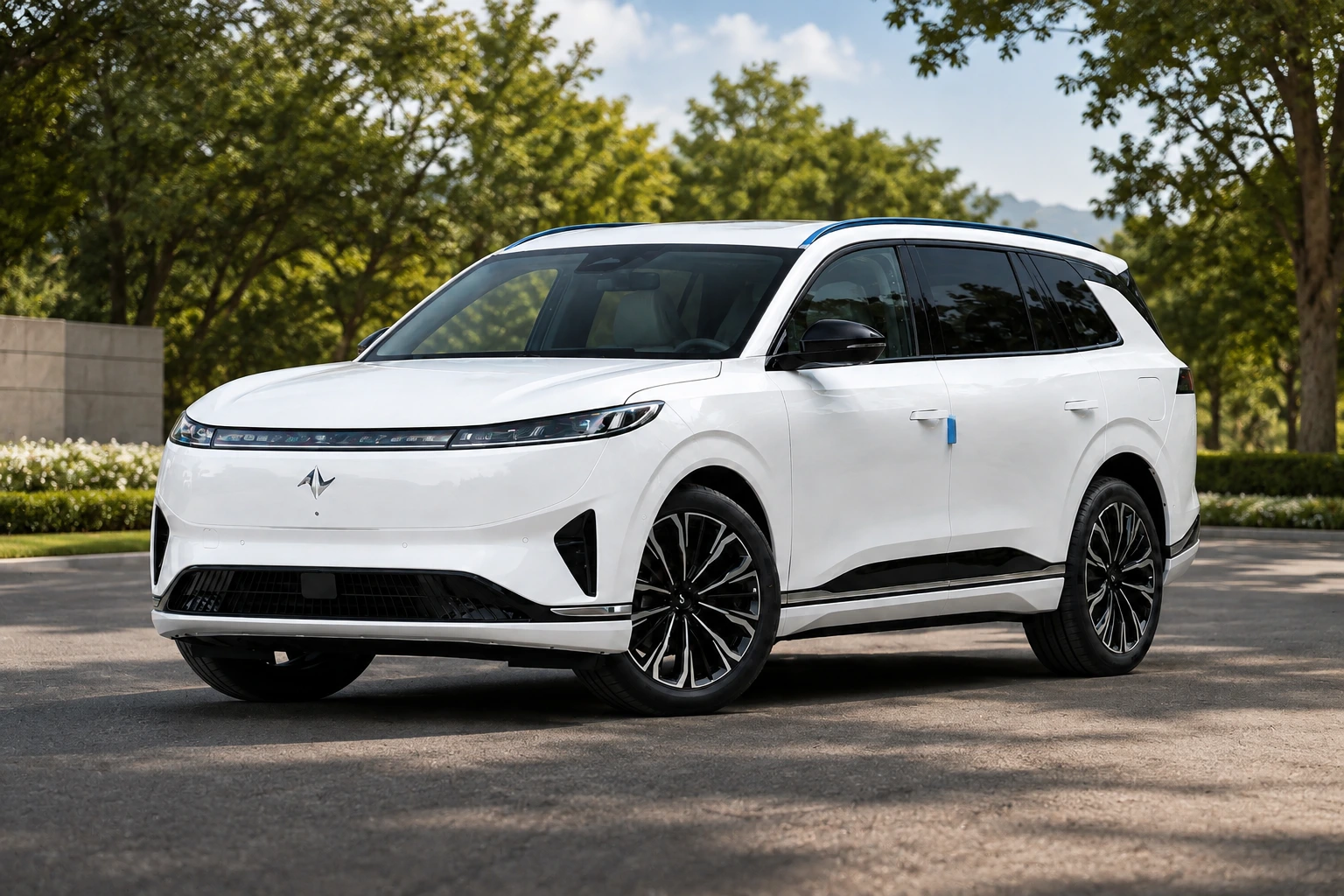
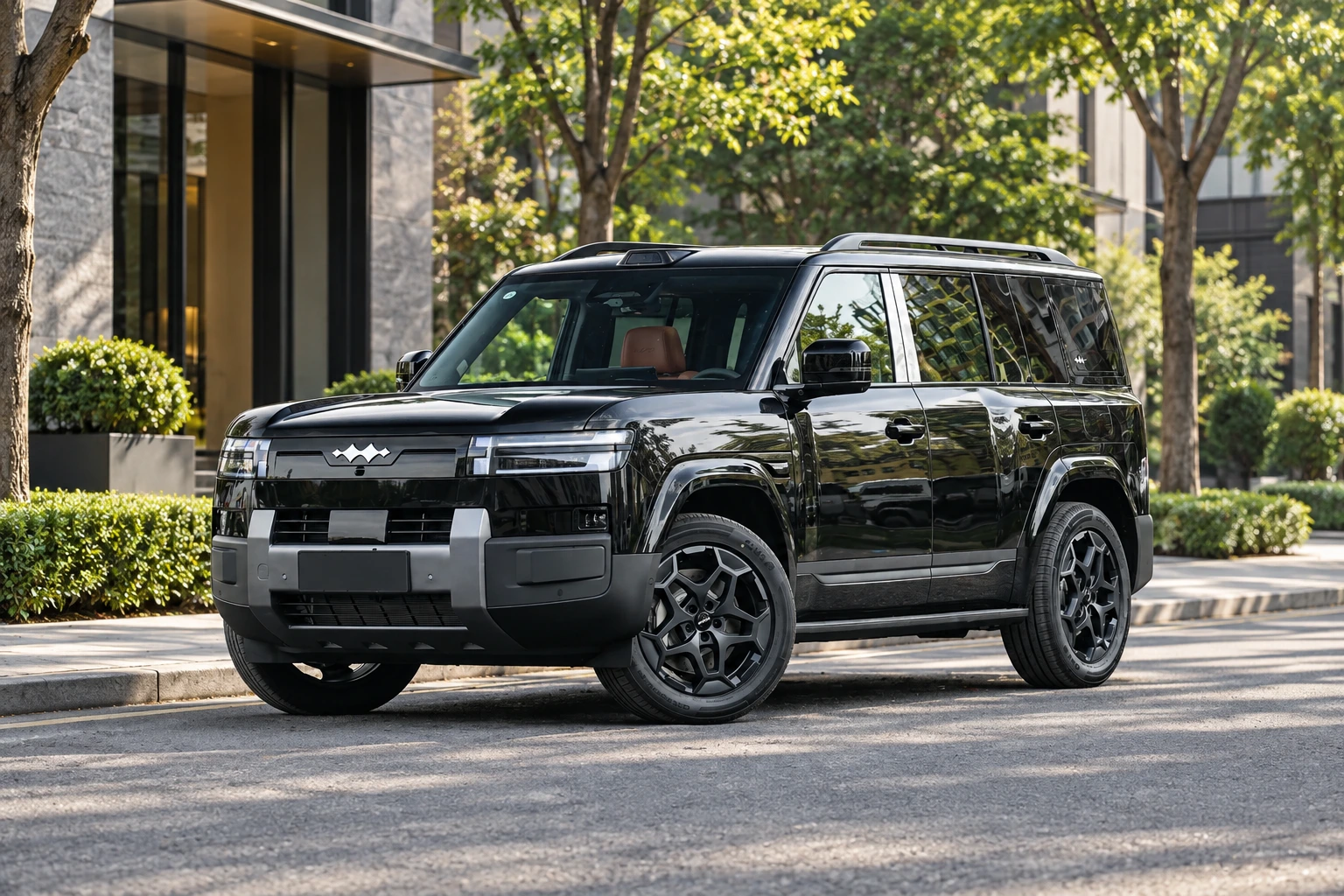
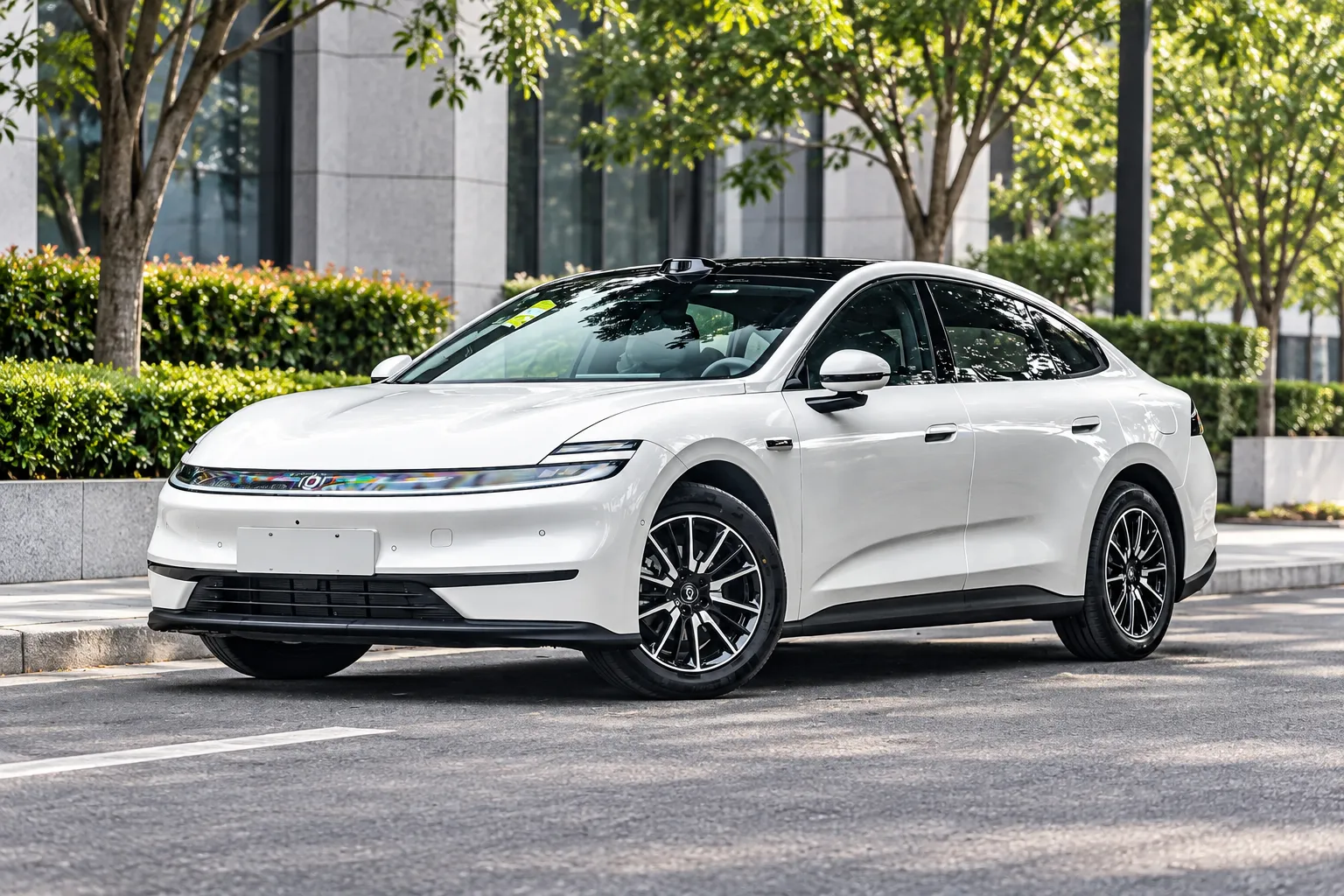
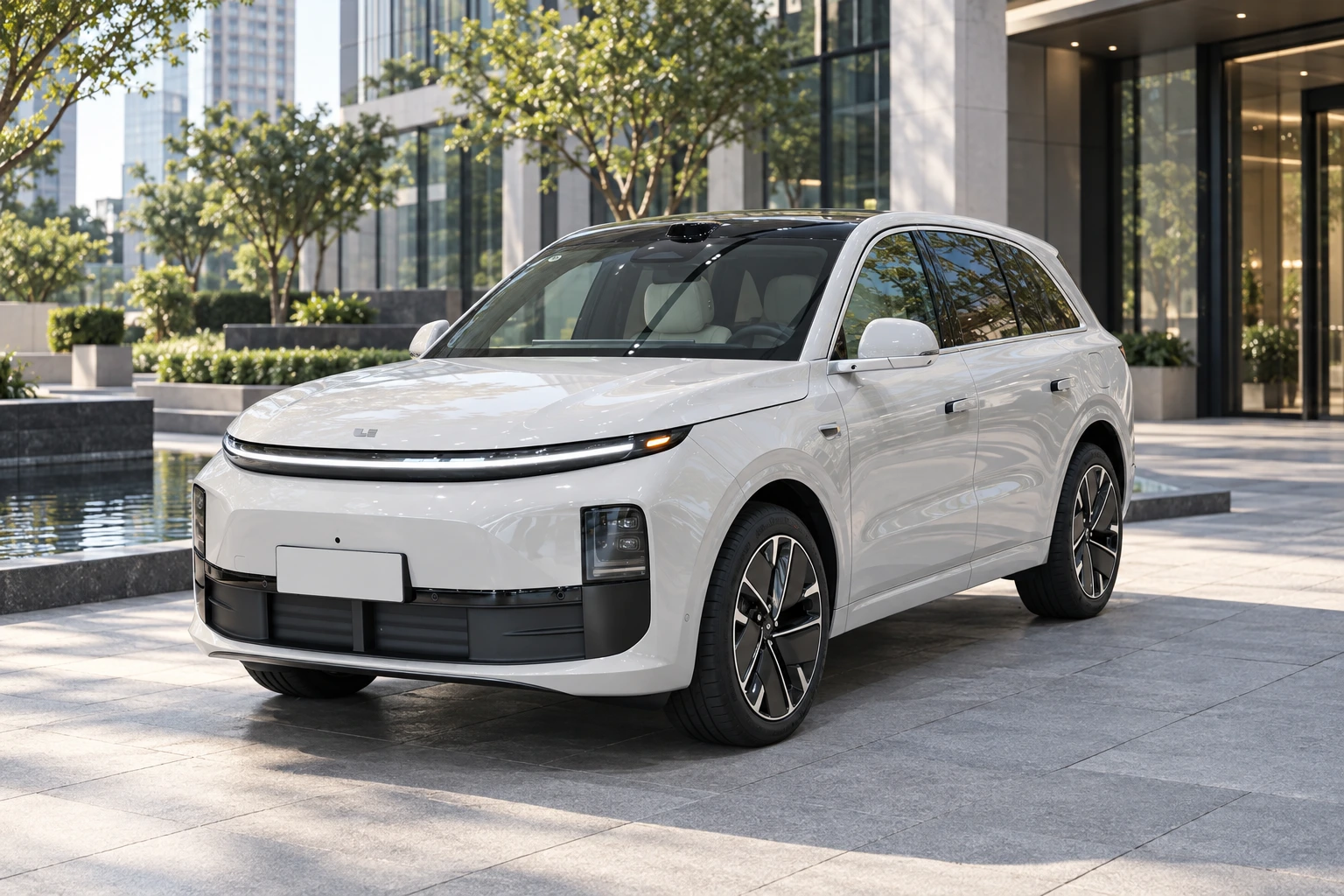
A car import licence is a permission that some countries require before a vehicle can be imported or cleared through customs. The rules differ widely, and an importer who skips this step may find the cars held at the port. This guide lists six checks to make before you place an order, so the paperwork is ready before the cars are.
Why a Car Import Licence Matters
Some countries allow almost anyone to import a car. Others limit imports to registered companies, approved dealers or holders of a specific permit. Some require a permit for each shipment, and others issue one that lasts for a year or longer.
If the right document is missing, the cargo can be delayed, fined or refused. Storage fees keep running while the problem is fixed, so the cost grows every day.
6 Checks Before You Order
1. Importer registration
Find out whether you need a company registration, a tax number or a dealer licence to import vehicles. Individuals and companies are often treated differently.
2. Import permit or licence
Check whether a car import licence or permit is needed for each shipment or for a period of time, who issues it and how long approval takes.
3. Vehicle eligibility
Rules may limit the age or condition of a vehicle, the side of the steering wheel, the engine type or the emission standard. Confirm that the exact model and version you want is allowed.
4. Pre-shipment certificate
Some markets ask for a conformity or inspection certificate from an approved body before the cars leave China. If this applies to you, tell your exporter before the order is confirmed.
5. Customs broker or agent
In some countries a licensed local agent must file the customs declaration. Choose one early and ask what documents they need from the exporter, including the HS code for the vehicle.
6. Names, dates and validity
The name on the licence should match the importer on the invoice and the consignee on the bill of lading. Check that the licence will still be valid on the day the cars arrive.
Who Is Responsible for the Car Import Licence?
The importer is normally responsible for local licences and permits, because they relate to your country and your company. Your exporter can supply commercial documents and technical information, but it usually cannot apply for your local car import licence. Ask for the exact documents your authority needs and share them with your supplier.
When to Apply for a Car Import Licence
Check before you pay the deposit. A permit that takes weeks to approve can delay the shipment, and a vehicle that is not eligible should not be ordered at all.
Common Car Import Licence Mistakes
- Assuming the rules are the same as in a neighbouring country.
- Applying for the permit after the cars have shipped.
- Using a different company name on the invoice than on the licence.
- Ordering a version that does not meet local vehicle rules.
- Relying on word of mouth instead of the customs authority’s official information.
Frequently Asked Questions
Does every country require a car import licence?
No. Some markets have no special licence for vehicles, while others have strict rules. Always check with your own customs authority.
Can my exporter get the licence for me?
Usually not, because the licence relates to the importer in your country. The exporter can provide documents and information to support your application.
How long does approval take?
It varies by country and authority. Apply early and ask for the expected timeline in writing.
Final Thoughts
A car import licence is easy to overlook and costly to miss. Rules change over time, so treat this guide as general information and confirm the details with your customs authority or a licensed customs broker before you order.