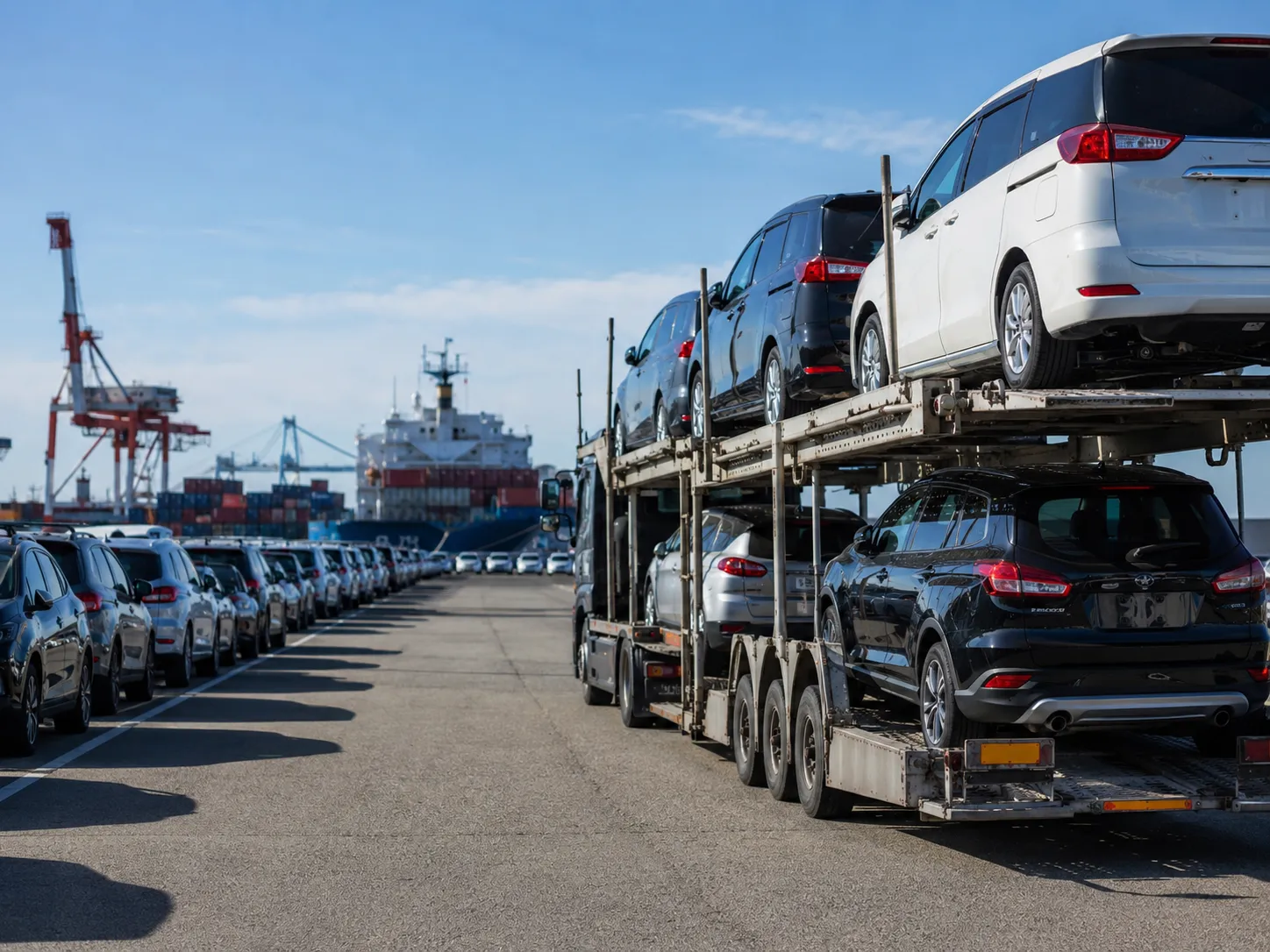
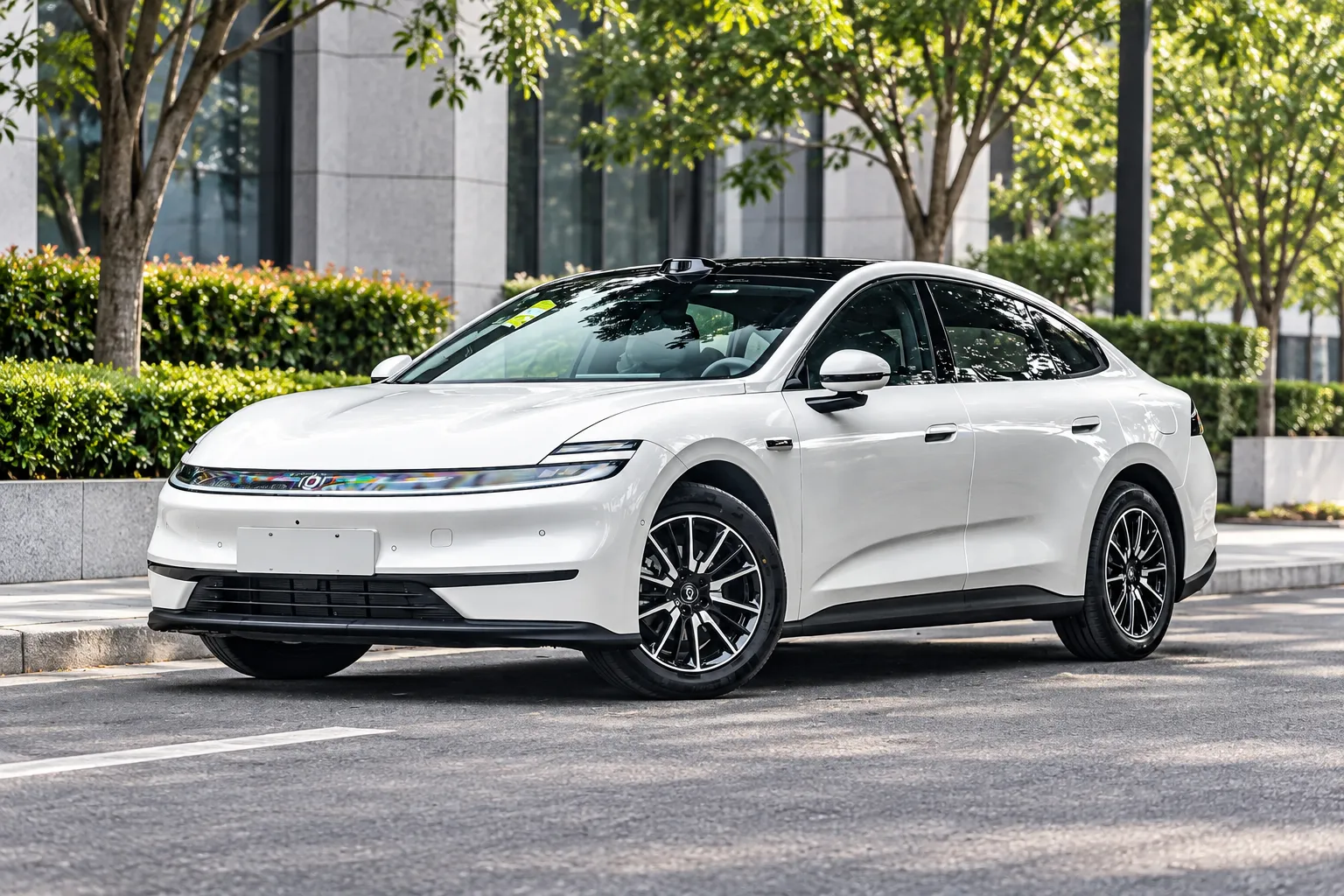
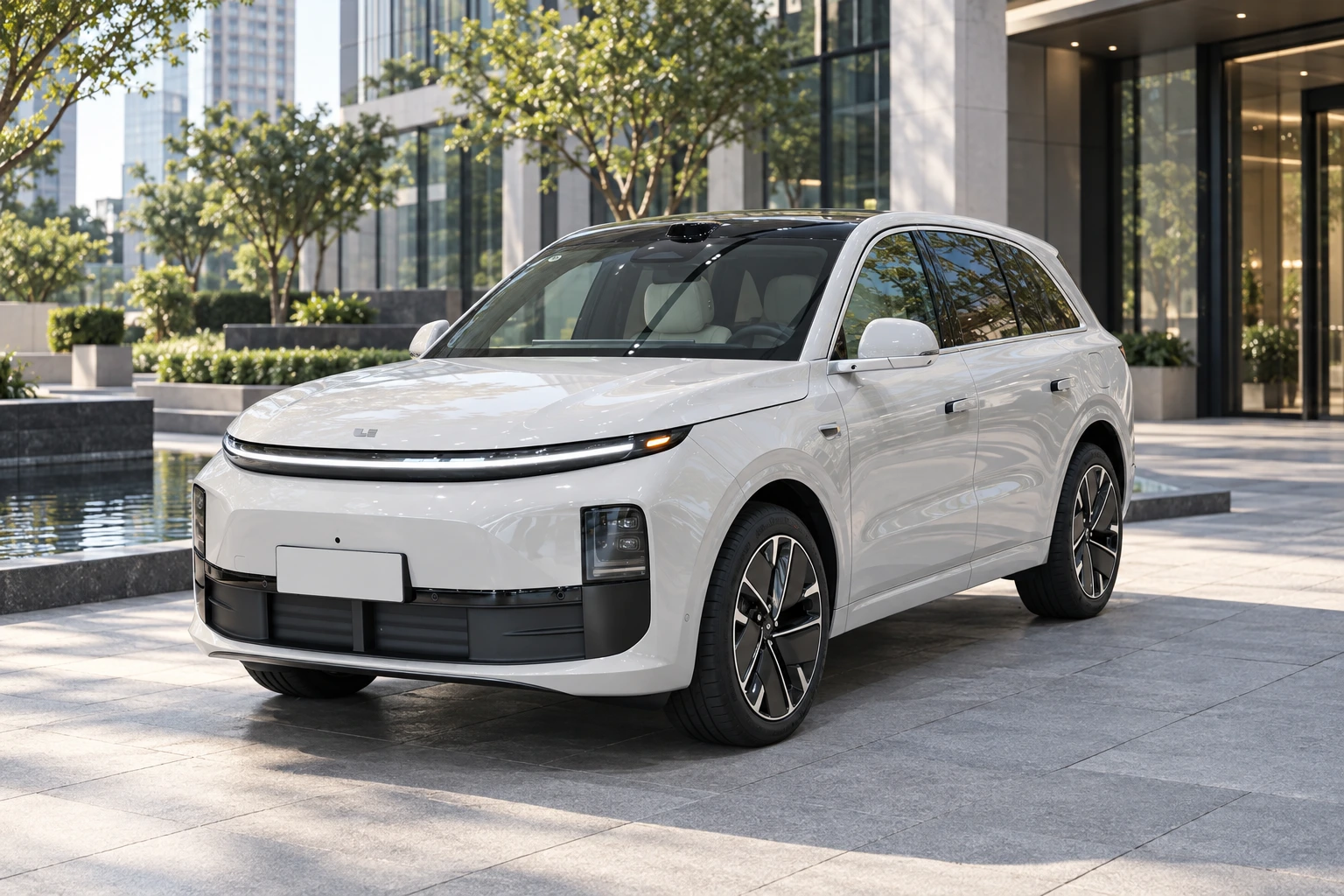
A car that is popular and fully legal in one country is not automatically ready to be registered in another. Each market sets its own technical and safety requirements, and a vehicle must meet them before it can be used on public roads. This approval process is called homologation, and vehicle homologation for imported cars is one of the most important checks an importer can make before placing an order.
This article explains why requirements differ between markets and what importers should check before shipping. It is general information, not legal advice, and local rules should always be confirmed with the relevant authority.
What Vehicle Homologation Means
Homologation is the formal process of confirming that a vehicle, or a vehicle type, meets the technical requirements of a specific market. These requirements usually cover safety, lighting, braking, emissions, noise and, increasingly, software and electronic systems. In many countries the term “type approval” is used for the same idea.
The key point for importers is simple: approval in the country of manufacture does not replace approval in the country of import. Vehicle homologation for imported cars is a destination-market question, and it should be answered before the purchase order, not after the vehicle arrives.
Why Requirements Differ by Market
Vehicle homologation for imported cars depends on technical standards that differ by country and are updated at different speeds. Many markets, including the European Union, Japan and Australia, apply UN Regulations developed under the UNECE 1958 Agreement, and members that apply the same regulation accept each other’s approvals. Others work differently. The United States, for example, has no government type approval and relies on manufacturer self-certification to its own safety standards.
Differences can appear in many places:
- Lighting: headlamp beam patterns and signal lights are designed for either left-hand or right-hand traffic.
- Emissions and fuel: engines must meet the local emission level and work with the fuel quality available in that market.
- Safety equipment: airbags, seat belt warnings, child seat anchors and driver assistance functions may be required in different forms.
- Charging and battery systems: electric and plug-in hybrid vehicles must suit local charging connectors and meet battery safety rules.
Common Approval Routes
Vehicle homologation for imported cars usually follows one of several approval routes, depending on the destination:
- Whole vehicle type approval: the vehicle type is approved once and can then be registered under that approval. In the European Union, a type approval is recognised in every member state.
- Individual vehicle approval: each vehicle is checked on its own, often for small numbers of vehicles without a valid type approval for that market. Fees and testing can be significant per vehicle, and in the EU a national individual approval is valid only in the state that issued it.
- Self-certification to national standards: in the United States, the manufacturer certifies that a vehicle meets the Federal Motor Vehicle Safety Standards. Vehicles not built to those standards can generally be imported only through a registered importer, with limited exceptions such as vehicles over 25 years old.
Which route applies depends on the country, the vehicle category and the number of vehicles imported.
Why This Matters for Cars Sourced From China
For vehicle homologation for imported cars, note that many vehicles built in China are designed first for the domestic market, and specifications can change between export versions. A model may be offered with different lighting, emission calibration, safety equipment or software depending on where it will be sold.
This is why vehicle homologation for imported cars should be discussed with the supplier at the quotation stage. Ask for the exact export specification, not only the model name, and confirm that it is intended for your destination.
A Pre-Order Compliance Checklist
A simple vehicle homologation for imported cars checklist can prevent costly mistakes. Before confirming an order, importers should be able to answer these questions:
- Which technical standard or approval does the destination market require for this vehicle category?
- Does the exact model and specification already hold a valid approval for that market?
- If not, is individual approval possible, and what are the cost, time and testing requirements?
- Which certificates or declarations must accompany the vehicle, and who will supply them?
- Do charging connectors, software language and connected features meet local rules?
Also request supporting documents early, since missing papers can delay registration. Typical items include a certificate of conformity or equivalent, technical specification sheets, emission and noise information where required, and a clear vehicle identification number record.
Final Thoughts
Vehicle homologation for imported cars is not a final paperwork step. It shapes which models a buyer can bring in, what specification to order and how long registration will take. Importers who confirm approval routes, specifications and documents before shipping avoid the most costly problem in the trade: a vehicle that has arrived but cannot be registered.
Before placing an order, confirm vehicle homologation for imported cars with your local registration authority or a qualified customs broker, and ask your supplier for the exact export specification and supporting documents. Rules are updated regularly, so check current requirements before every order. A short compliance check at the start can save weeks of delay later.