The global used-car market is continuing to change as buyer preferences, pricing conditions and international demand shift across different regions.
For exporters, dealers and individual buyers, understanding these changes can help with vehicle selection, pricing decisions and long-term purchasing strategies.
Demand Is Becoming More Diverse
Used-car demand is no longer driven by a single type of buyer.
Different markets may prioritise very different things, including:
- Affordable family vehicles
- SUVs and pickup trucks
- Fuel-efficient cars
- Electric and hybrid vehicles
- Premium and luxury models
- Commercial vehicles
- Right-hand-drive or left-hand-drive configurations
This means exporters need to understand the specific needs of each destination market rather than relying on one standard product mix.
Price Remains a Major Factor
Pricing continues to influence buying decisions across the global used-car market.
Buyers often compare:
- Vehicle purchase price
- Mileage
- Age and condition
- Shipping costs
- Import duties
- Local registration costs
- Expected resale value
A vehicle that appears inexpensive at the point of purchase may become less competitive once transport and import-related costs are added.
For this reason, total landed cost is becoming increasingly important.
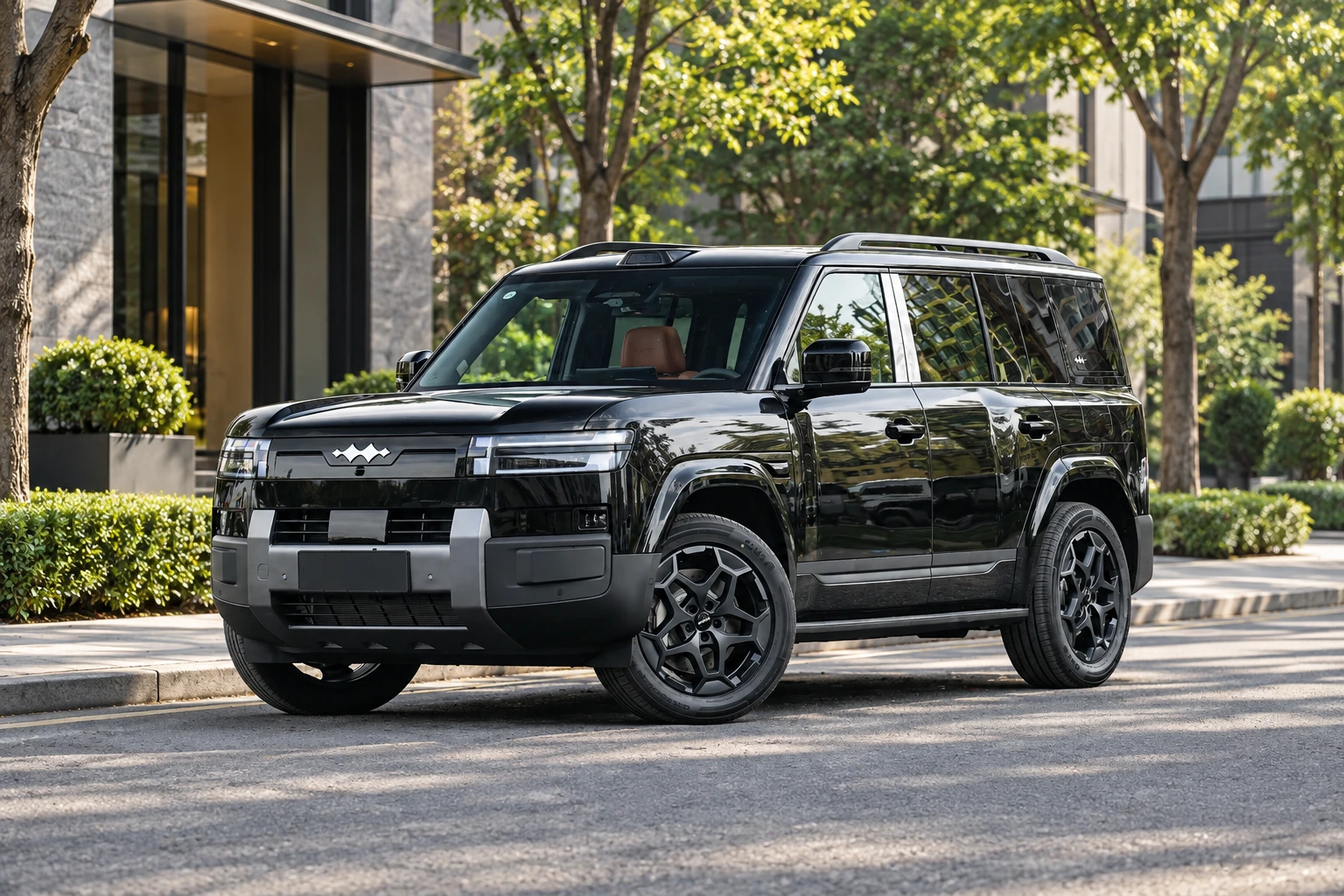
SUVs and Pickup Trucks Remain Popular
SUVs and pickup trucks continue to attract strong interest in many markets.
Their popularity is supported by factors such as:
- Versatility
- Larger passenger capacity
- Road presence
- Practical cargo space
- Suitability for different road conditions
In some regions, pickup trucks are also valued for commercial and business use.
This can create opportunities for buyers and dealers looking for vehicles with broader resale appeal.
New-Energy Vehicles Are Changing Buyer Behaviour
Electric vehicles and hybrids are also influencing the used-car market.
As more new-energy vehicles enter the market, buyers are beginning to compare not only price and mileage, but also:
- Battery condition
- Driving range
- Charging compatibility
- Local charging infrastructure
- Battery warranty
- Resale value
Demand for used EVs is likely to vary significantly between countries depending on infrastructure and government policy.
Vehicle Age Requirements Influence Demand
Import regulations can strongly affect which vehicles are suitable for certain markets.
Some countries restrict vehicle imports based on:
- Vehicle age
- Engine size
- Emissions standards
- Steering position
- Safety requirements
As a result, buyers may focus heavily on specific model years or vehicle categories that meet local import rules.
This can cause demand for certain vehicles to rise quickly in particular markets.
Buyers Are Paying More Attention to Condition
Condition transparency is becoming increasingly important.
International buyers cannot always inspect a vehicle in person before purchase, so they often rely on:
- Detailed photos
- Videos
- Inspection reports
- Mileage information
- Maintenance records
- Clear descriptions of existing damage
Better vehicle information can help buyers make decisions with greater confidence.
Logistics Costs Can Change Market Demand
Shipping costs can also influence which vehicles buyers choose.
When freight costs rise, buyers may become more selective and focus on vehicles with stronger margins or higher resale value.
When shipping routes become more competitive, a wider range of vehicles may become economically viable for international buyers.
This creates a close relationship between vehicle demand and logistics conditions.
Dealers Are Looking for More Flexible Sourcing
Dealers and professional buyers often need more than a single vehicle.
They may look for:
- Consistent supply
- Similar specifications
- Competitive bulk pricing
- Reliable documentation
- Predictable shipping arrangements
- Fast sourcing support
A flexible sourcing network can help dealers react more quickly to changing local demand.
Understanding the Market Creates Better Buying Decisions
The used-car market will continue to evolve as consumer preferences, regulations, technology and logistics change.
For international buyers, staying informed can help identify better opportunities and avoid purchasing vehicles that may be difficult to import or resell.
Understanding demand is therefore not only useful for dealers. It can also help individual buyers make smarter vehicle choices.