The HS code for imported cars is a short number that tells customs what a vehicle is. It looks like a small detail on an invoice, but it decides which duty rate applies, which rules the vehicle must meet and how smoothly it clears the port. This guide explains how the HS code for imported cars works, where mistakes happen and what importers should check before they order.
Many importers leave classification until the last minute, when the cars are already on the water. By then, fixing a mistake is slower and more expensive than checking it early.
What Is an HS Code?
HS stands for Harmonized System, an international naming system for traded goods maintained by the World Customs Organization. Most countries share the same first six digits. After that, each country adds its own digits for national duties and statistics, so the full code on your customs declaration may be longer than the code your exporter quotes.
A code has a clear structure. The first two digits identify the chapter, the first four identify the heading and the first six identify the subheading. For cars, chapter 87 covers vehicles and heading 8703 covers passenger cars.
How Cars Are Classified
Within heading 8703, the six-digit part of the HS code for imported cars depends mainly on the powertrain and, for combustion engines, on engine size. In simple terms:
- Petrol cars: split by engine capacity, with separate subheadings for smaller and larger engines.
- Diesel cars: also split by engine capacity.
- Hybrids that cannot be plugged in: one subheading for petrol hybrids and one for diesel hybrids.
- Plug-in hybrids: separate subheadings again, for petrol and diesel.
- Battery electric vehicles: a dedicated subheading for cars driven only by an electric motor.
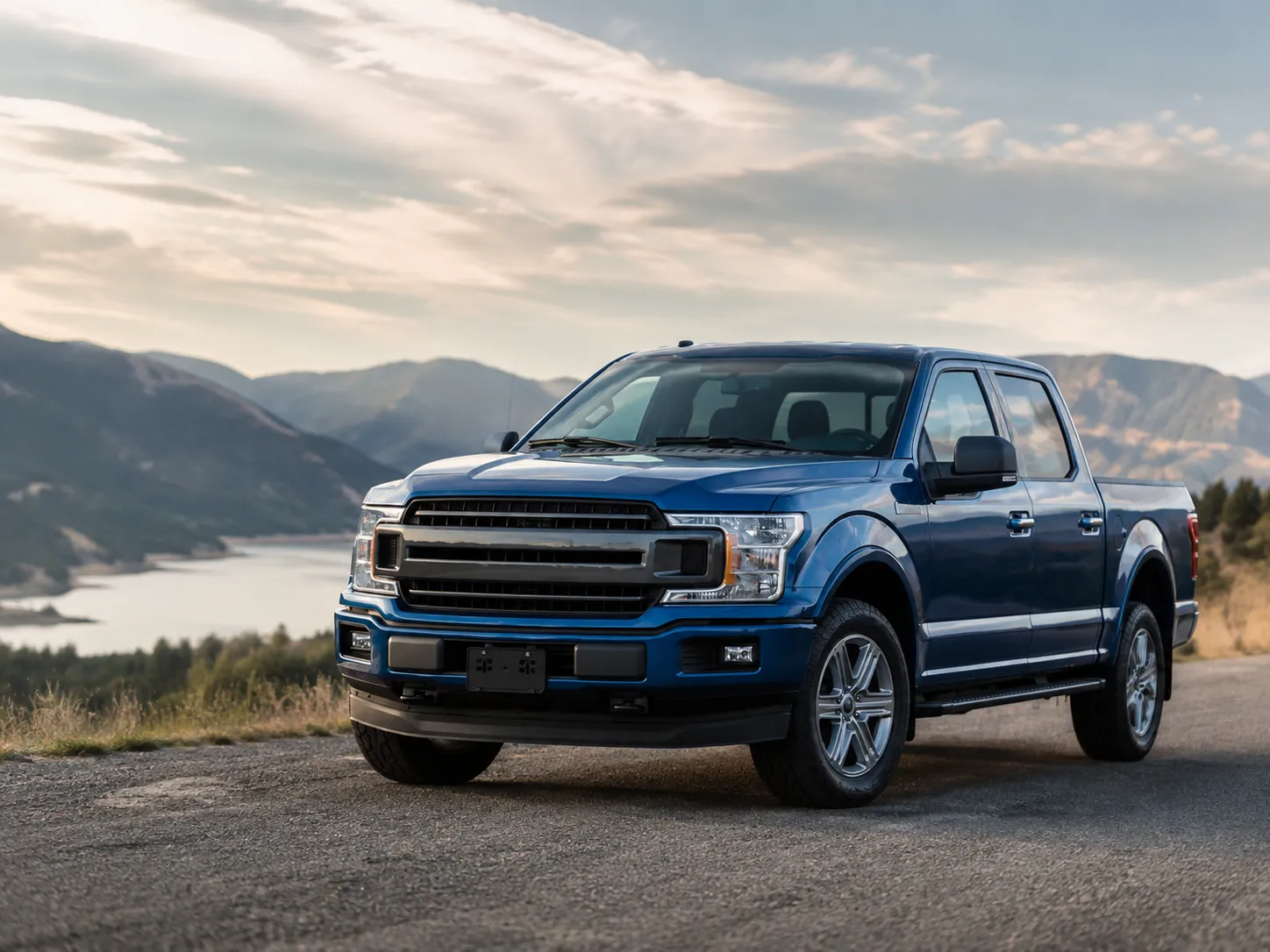
Pickup trucks, vans and other goods vehicles usually sit under heading 8704 instead, so a double-cab pickup is not classified in the same way as an SUV. Always check the exact subheading in the tariff of your own country, because national digits and rates differ.
Examples of Six-Digit Codes for Common Car Types
Under the HS 2022 edition, the six-digit part of the HS code for imported cars looks like this for some common passenger car types:
- 8703.23: petrol car with an engine above 1,500 cc and up to 3,000 cc.
- 8703.40: hybrid with a petrol engine that cannot be plugged in.
- 8703.60: plug-in hybrid with a petrol engine.
- 8703.80: battery electric car.
National tariffs add more digits and may use a newer edition, so treat these examples as a way to understand the structure, not as codes to copy onto documents. The HS code for imported cars that you actually declare must come from your own country’s tariff.
Why the HS Code for Imported Cars Matters
- Duty and tax: the tariff line sets the duty rate and, in many markets, also affects excise, VAT or other taxes.
- Rules and incentives: some countries apply different standards, licences or incentives to electric, hybrid and combustion vehicles.
- Clearance speed: if the code does not match the vehicle, customs may hold the cargo for inspection or ask for corrected documents.
- Cost planning: a wrong code can change the landed cost you calculated, and that directly affects your margin.
Two cars with similar prices can have very different landed costs simply because one is a plug-in hybrid and the other is a conventional hybrid. That is why the code should be checked before you confirm an order, not after the cars arrive.
Customs authorities also use the code for statistics and risk checks. A shipment whose code does not fit its description can be flagged for inspection, which may add days at the port.
Where the Code Appears on Your Documents
The HS code for imported cars normally appears on several documents during one shipment:
- The proforma invoice and the commercial invoice.
- The packing list.
- The export customs declaration in China.
- The import customs declaration in your country.
- In some cases, the bill of lading or other shipping papers.
Because the same code is used at both ends, any difference between these documents is easy for customs to notice. Agree on the code early and keep it identical everywhere.
Who Is Responsible for the Code?
Your exporter provides the code for the export declaration in China. The import declaration is a different matter. In most countries the importer, usually through a customs broker, is responsible for declaring the correct code under local law. That is why you should never rely only on the code printed on the exporter’s invoice. Use it as a starting point and confirm the HS code for imported cars with your own broker or tariff.
Common Classification Mistakes
Most problems with the HS code for imported cars come from small mismatches rather than bad intentions. Watch for these:
- Different codes on the proforma invoice, commercial invoice, packing list and bill of lading.
- Choosing the code by body type instead of powertrain, for example treating a plug-in hybrid as an ordinary hybrid.
- Ignoring engine capacity limits, so a car lands on the wrong side of a duty band.
- Assuming range-extended models are always treated the same way. They have both an engine and an electric motor and most can be plugged in, but customs authorities do not always classify them identically, so confirm with your broker.
- Describing the vehicle only as “car” or “vehicle” on the invoice, without engine type, capacity and powertrain.
- Mixing up passenger cars with goods vehicles, especially for double-cab pickups and vans.
- Copying a code from an older shipment even though the model or powertrain has changed.
How to Confirm the Right Code
- Ask your exporter for the HS code on the proforma invoice, together with the engine type, engine capacity and whether the car is plug-in.
- Look up the code in your country’s official customs tariff, or ask your customs broker to confirm the full national code.
- Where your customs authority offers advance rulings, consider requesting one for new models or unusual powertrains.
- Make sure the same code appears on every shipping and customs document.
- Keep a record of each confirmed HS code for imported cars you buy repeatedly, and re-check it whenever the specification changes.
What to Prepare Before Asking a Customs Broker
A broker can only confirm the HS code for imported cars if the vehicle is described clearly. Send the following details together with your question:
- Brand, model, trim and model year.
- Powertrain type: petrol, diesel, hybrid, plug-in hybrid, range-extended or battery electric.
- Engine capacity in cc, where there is an engine.
- Body type and number of seats, and for pickups the cab type and payload.
- The official specification sheet and the draft proforma invoice.
- Your port of arrival, because local rules may differ by country and sometimes by customs office.
A clear request usually gets a clear answer, and it gives you a written record you can show your exporter.
Frequently Asked Questions
Is the HS code for imported cars the same in every country?
Only the first six digits are shared. After that, each country adds its own digits, so the code on your import declaration may be longer and may follow a different tariff edition.
Can two trims of the same model have a different HS code for imported cars?
Yes, if they differ in something that affects classification, such as engine capacity or powertrain. Trims with the same engine and drivetrain usually share a code, but it is safer to confirm each specification.
Does the HS code decide the duty rate?
It decides which tariff line applies. The actual rate also depends on the destination country, trade agreements, origin rules and any additional taxes, so ask your broker for a written estimate.
What if the HS code on my documents is wrong?
Tell your exporter and broker as soon as you notice, ideally before the cargo arrives. Correcting documents before the customs declaration is filed is normally easier than correcting it afterwards, when delays or penalties may apply depending on local rules.
Final Thoughts
Getting the HS code for imported cars right takes only a few minutes before ordering, yet it protects your budget and your clearance timeline. Rules and tariffs differ by country and change over time, so treat this guide as general information and confirm the details with your customs broker or the customs authority in your market.