Chinese car exports are no longer focused on a single region. Importers in the Middle East, Africa and Latin America are all looking at Chinese brands, but each region has different roads, climates, rules and customer expectations. A model that sells well in one market may struggle in another. This guide looks at what is driving interest in each region and what importers should check before they place an order.
Why these three regions matter for Chinese car exports
These regions share several features. Many buyers are price-conscious but still want modern equipment. SUVs and pickups are popular. In some countries the local car industry is limited, which leaves room for imports. And Chinese car exports now cover a wider range of petrol, hybrid, plug-in hybrid and electric models than they did a few years ago.
But interest does not mean ease. Import rules, currency movements and after-sales support vary widely, so a market-by-market approach is better than copying a successful model list from one region to another.
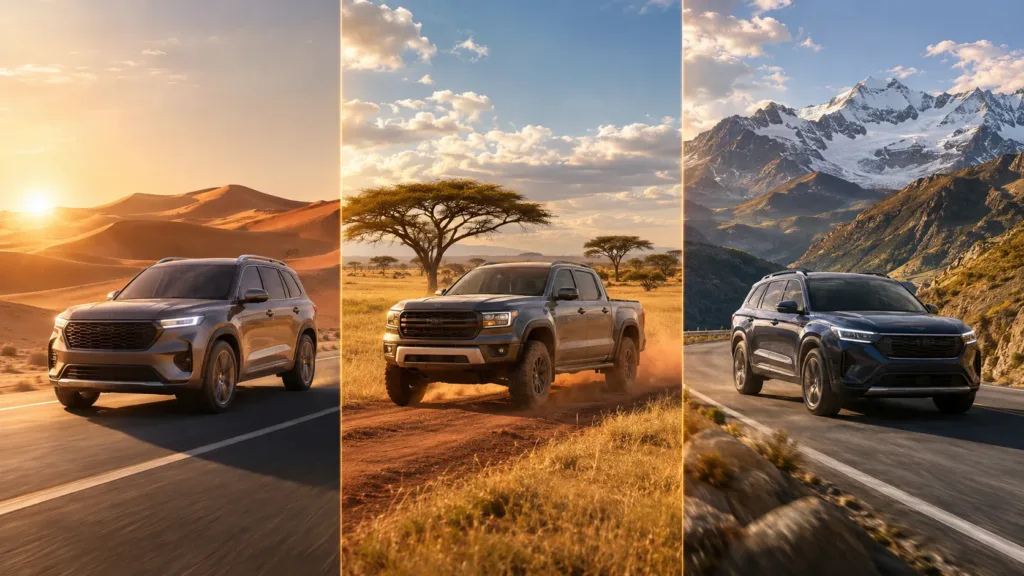
The Middle East: heat, space and demand for SUVs
Middle Eastern markets are known for large SUVs, pickups and comfortable family cars. Most of these markets use left-hand-drive vehicles, which suits cars built for China’s domestic market. For Chinese car exports to the Middle East, importers should look at three things:
- Climate: Strong air conditioning, cooling systems and battery thermal management matter in extreme heat.
- Specification: Versions made for Gulf markets can differ from standard export versions, for example in cooling, lighting and safety equipment.
- Local approval: Many countries require vehicles to meet local standards or conformity checks. Confirm what is needed before ordering, not after the cars arrive.
Well-equipped cabins, large screens and premium trims attract attention, but check that Arabic language support is available where customers expect it. Fleet and rental buyers are also worth watching for Chinese car exports, because they often order several units of the same model and care about running costs and parts supply.
Africa: durability, parts and fuel quality
Africa is not one market, so broad statements can mislead. Some countries drive on the left and need right-hand-drive vehicles, while others use left-hand drive. Some restrict the age of imported vehicles, and some are more open to new cars from China than others. Common themes for Chinese car exports include:
- Road conditions: Ground clearance, suspension strength and underbody protection are valued where roads are rough.
- Spare parts: Buyers worry about parts availability. Dealers who stock wear items such as filters, brake pads and suspension parts have a clear advantage.
- Fuel quality: Fuel quality can vary, which matters for modern engines. Simple, robust engines may suit some markets better than the most complex ones.
- Charging: Public charging is limited in many areas, so electric cars need careful assessment, while hybrids and conventional vehicles may be easier to support.
Pickups and compact SUVs are often practical choices for both business and family use. Local dealers with a reliable parts network and clear warranty terms usually win trust faster than those competing on price alone.
Latin America: tariffs, local rules and electrified cars
Most Latin American markets use left-hand drive, but import duties, taxes and local assembly policies differ sharply from country to country. Some countries encourage electric and hybrid vehicles through lower duties or incentives, while others are strengthening protection for local manufacturing. These policies can change and directly affect Chinese car exports, so check current rules with a customs broker before you commit.
Geography also matters. Cars sold in high-altitude cities need to perform well in thinner air, while coastal areas face humidity and salt. Buyers often value warranty coverage and a visible dealer network, so after-sales support can matter as much as the price. For electric models, ask early about home charging, public charging and battery warranty terms in the target country.
5 checks before ordering Chinese car exports for any region
- Confirm the drive side and local vehicle rules. Left-hand or right-hand drive, age limits, emission rules and approval requirements differ by country.
- Match the specification to the climate and roads. Heat, altitude, dust and rough roads call for different equipment.
- Review duties, taxes and incentives. Landed cost can change quickly when policy changes, so build a margin into your price.
- Plan parts and warranty support. Decide who will handle repairs and how quickly parts can arrive.
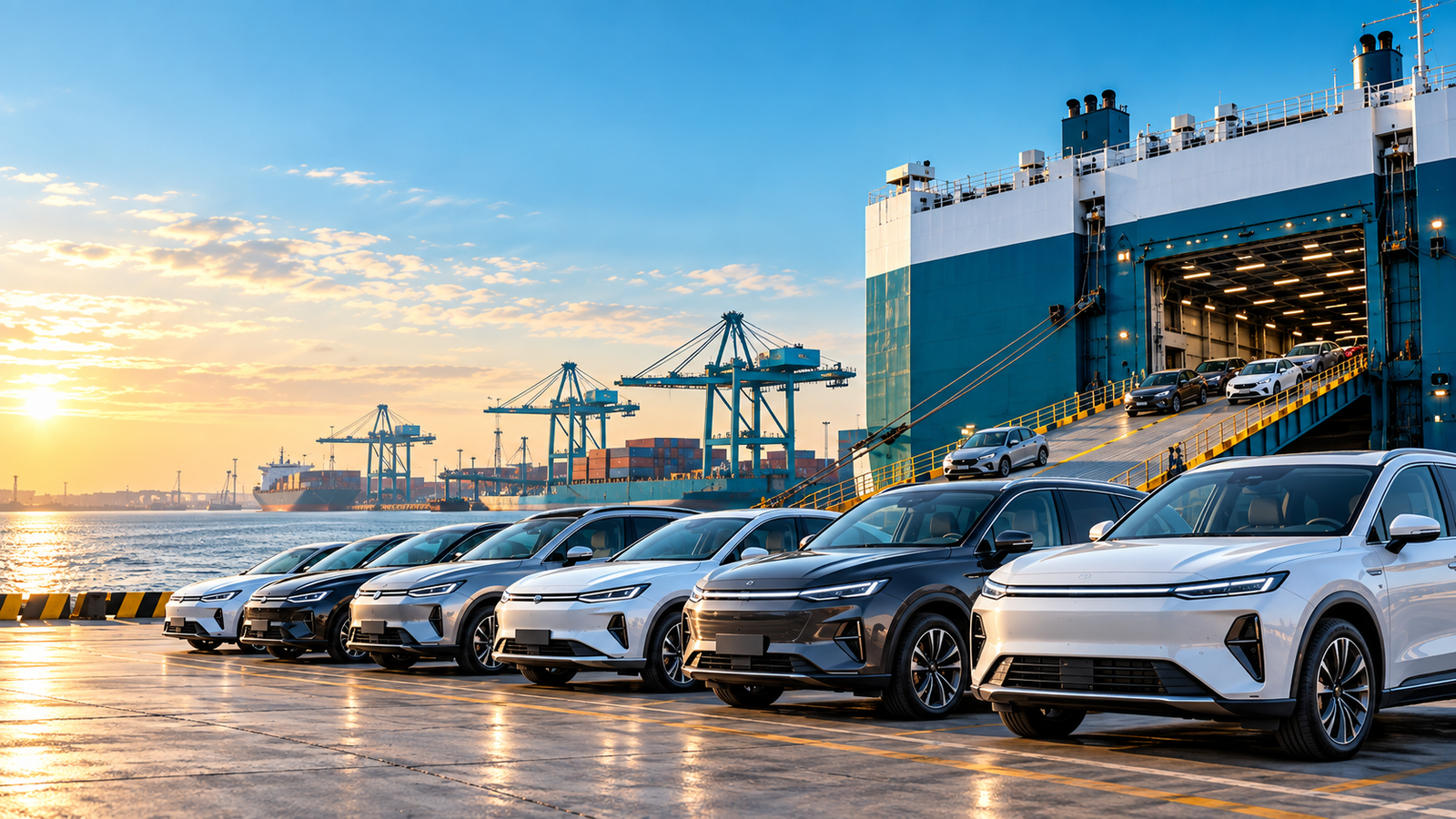
- Choose the right shipping method. RoRo and container shipping suit different volumes and ports, so check port conditions and handling time at the destination.
Final thoughts
Chinese car exports are attracting attention across the Middle East, Africa and Latin America, but successful importers treat each region, and often each country, as a separate market. Start with a small, well-chosen model range, confirm the rules in writing and build your after-sales plan before the first container ships. If you are exploring a new region, you can send an inquiry to Xingchiauto through the contact page to talk through suitable models and export requirements.


 17Nov
 17Nov
 16Nov