Cars sold in cold climates face different tests from cars sold in warm markets. Low temperatures affect batteries, fluids, tyres and even how doors and windows work. For importers and dealers, a few preparation steps before delivery can prevent early complaints and protect your reputation. If you have already read our guide on car preparation for hot climates, think of this as the winter counterpart. Here are six checks to make before a car goes to a customer in cold climates.
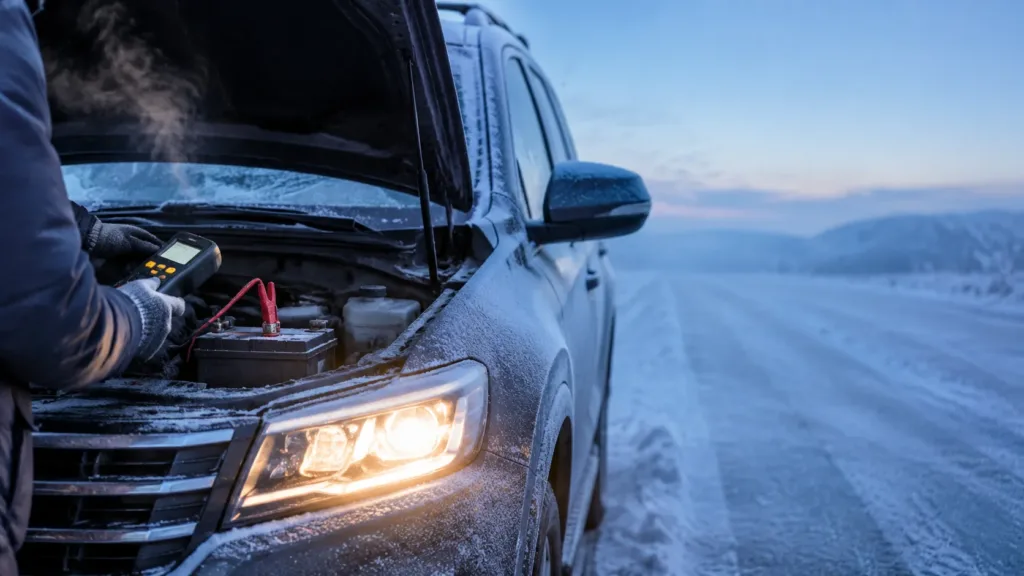
1. Check the battery
Cold weather reduces a battery’s ability to deliver power. Almost every car has a 12V battery, including electric and hybrid models, and a weak one is often the first thing to fail on a freezing morning. Test the battery, check that the terminals are clean and tight, and make sure the charge level is healthy. A fully charged battery is also less likely to freeze, so recharge cars that have been parked for some time. If you supply a region with severe winters, ask whether a battery with a higher cold-cranking rating is available.
For electric and plug-in hybrid cars, remember that range and charging speed can drop in the cold. Confirm that battery pre-heating or thermal management works as described, and give customers clear guidance on pre-conditioning the car while it is plugged in.
2. Review the fluids
Fluids that work well in a warm climate can cause trouble in cold climates, where temperatures fall below freezing. Check these items:
- Coolant: The antifreeze concentration should protect the engine at the lowest temperature expected in your market. Never mix coolant types without checking compatibility, because the wrong mix can reduce protection.
- Washer fluid: Use a fluid rated for freezing weather so the spray does not turn to ice on the glass.
- Engine oil: Follow the manufacturer’s guidance on viscosity for cold starts.
- Brake fluid: Check its condition, because old fluid that has absorbed moisture performs worse in the cold.
- Diesel fuel: In very cold regions, winter-grade diesel helps prevent waxing and gelling.
3. Inspect the tyres
Tyres lose pressure as the temperature falls, so check pressures again before delivery. Look at the tread depth and the age of the tyres, because hard, worn rubber grips poorly on cold, wet or icy roads. In cold climates with regular snow or ice, winter tyres can make a real difference. Some regions require them in winter or require tyres with a recognised winter marking, so check local rules before you quote a price. Spare tyres matter too: check the spare’s pressure and make sure the jack and wheel wrench are in the car.
4. Test heating, defrosting and visibility
In cold weather the heater and defroster are safety systems, not just comfort features. Test the cabin heater, front and rear defrosting, heated seats, heated mirrors and heated steering wheel if the car has them. Check the wiper blades and washer nozzles, and make sure all exterior lights work, since winter days are short and visibility is often poor. Check the cabin air filter as well, because a blocked filter reduces airflow and slows defrosting.
5. Protect against rust and frozen seals
In cold climates where road salt is used, rust can start in places customers cannot easily see. Check the underbody coating, wheel arches and door edges, and consider extra rust protection where it is common practice. Rubber door seals can also freeze shut, so a light silicone treatment helps doors, boots and windows keep moving freely.
6. Look after cars in stock
Cars that sit in a cold yard for weeks need attention. Moisture can build up inside the cabin and cause condensation or mould. Keep batteries charged, check tyre pressures from time to time, and clear snow and ice from the roof and glass before moving a vehicle. Park vehicles on a firm, well-drained surface so meltwater does not freeze around the tyres. Our article on imported car storage covers more general stock-care steps. Finally, keep a checklist for each vehicle, with dates and results, so you can show customers what was done.
Final thoughts on preparing cars for cold climates
Preparation for cold climates is mostly about preventing small problems before they become warranty claims. Check the battery, fluids, tyres, heating, rust protection and stock care, and record each step. A car that starts easily on the first cold morning leaves a good impression and builds trust with your customers. Give every buyer a short cold-weather guide in the local language, covering battery care, correct fluids and how to pre-heat the car, so they know what to expect from the first frost. If you are sourcing vehicles for a cold market, you can send an inquiry to Xingchiauto through the contact page to discuss suitable specifications and what to confirm before shipment.


 17Nov
 17Nov
 16Nov