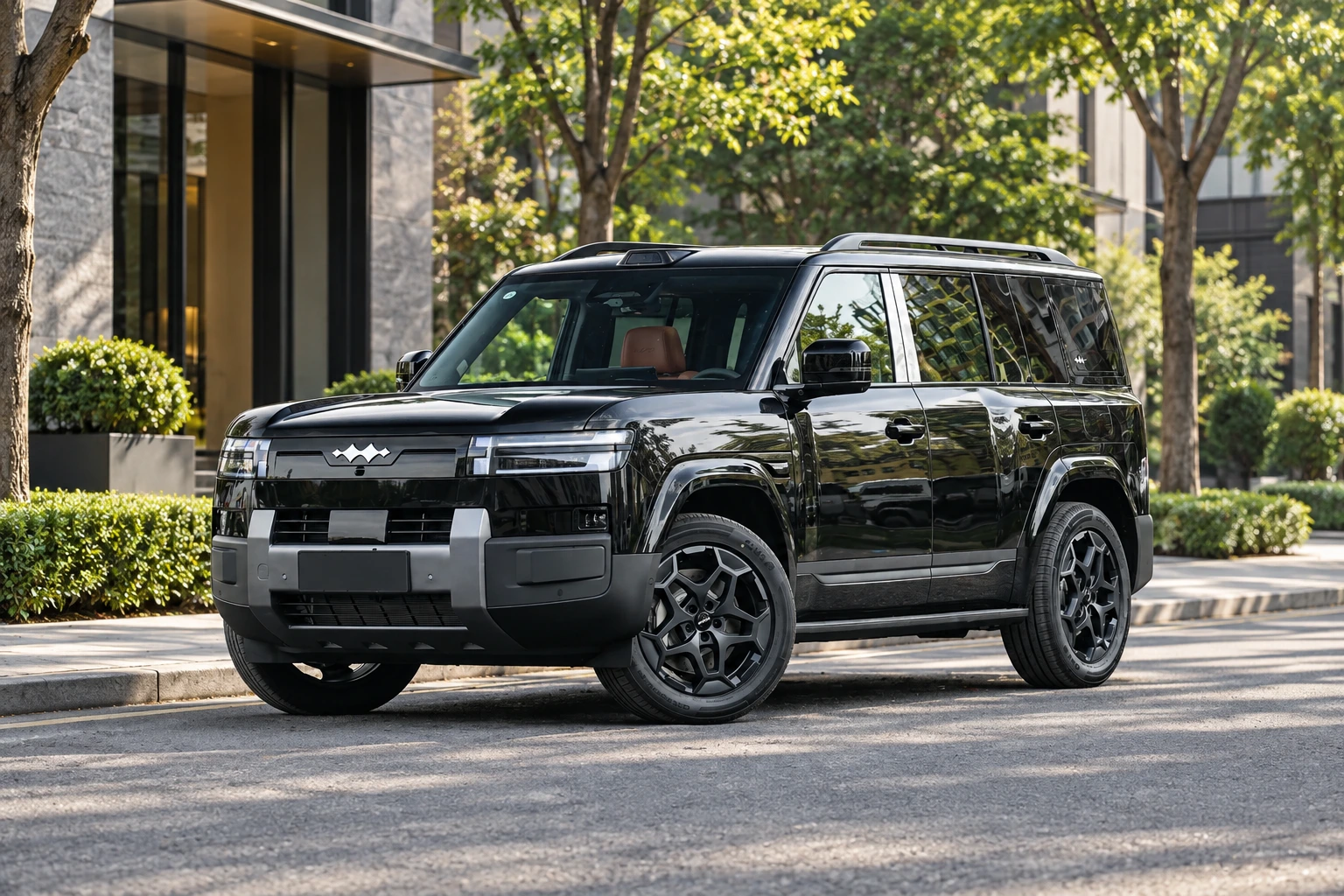
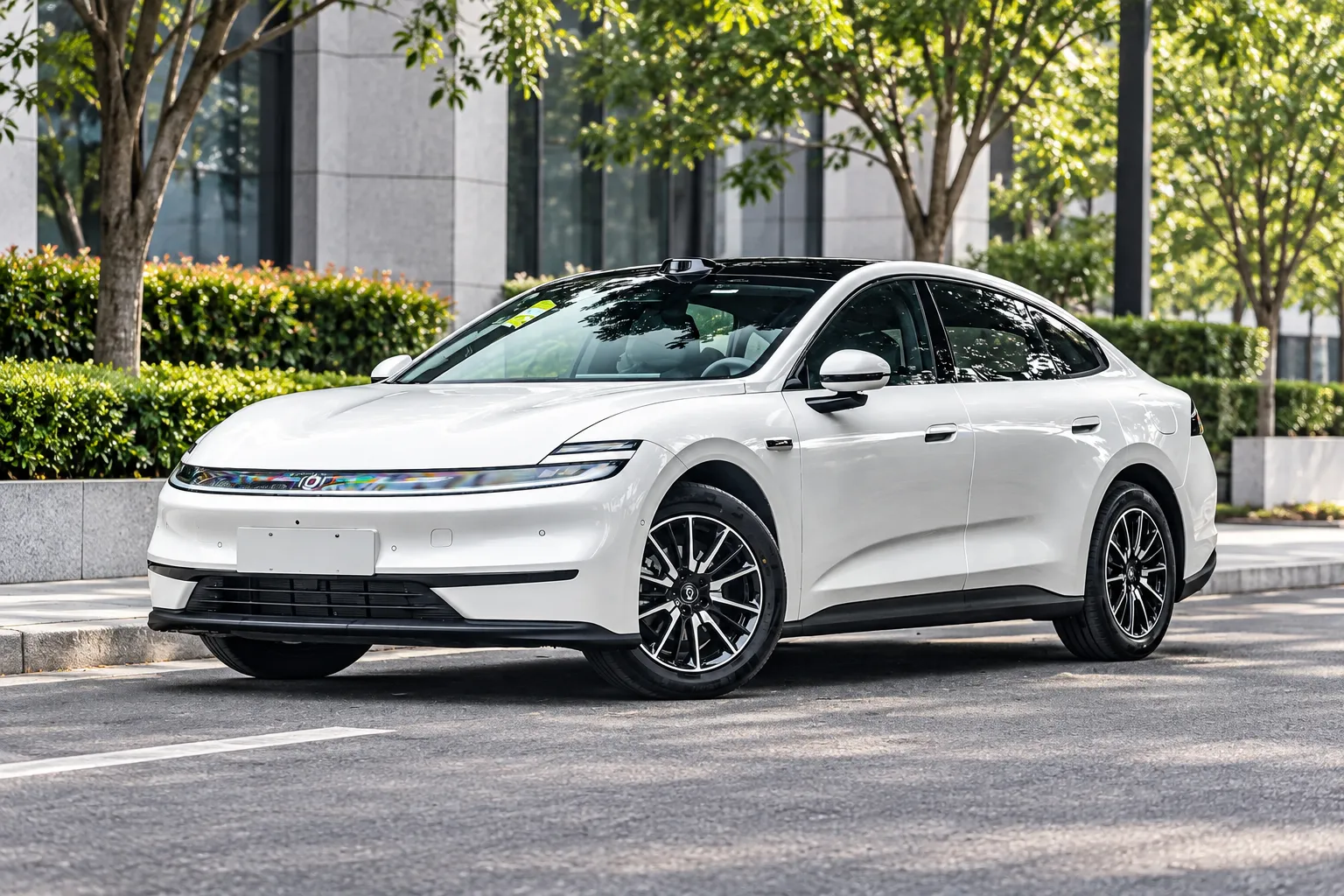
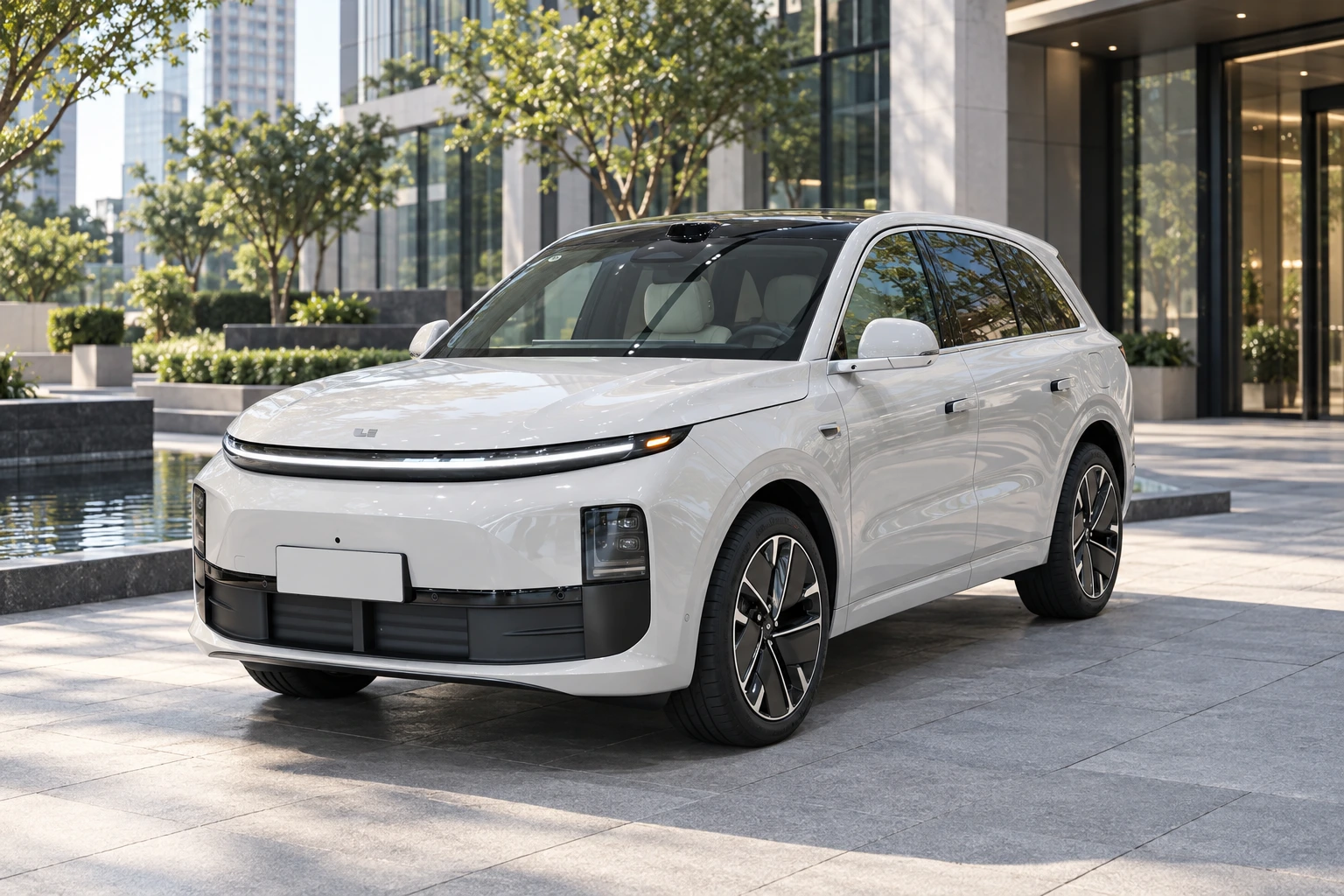
Vehicle-to-load, commonly known as V2L, turns an electric vehicle’s battery into a portable power source. What was once a relatively niche feature is now appearing on more Chinese electric vehicles, giving drivers another practical reason to consider an EV. Instead of using the car only for transportation, owners can also use its stored electricity to power everyday appliances, outdoor equipment and small tools.
For buyers, this adds convenience and flexibility. For vehicle importers and dealers, it creates another opportunity to differentiate models in an increasingly competitive market. This guide explains how vehicle-to-load technology works, where it is most useful, and what importers should check before advertising vehicle-to-load as a selling point.
What Is Vehicle-to-Load?
Vehicle-to-load allows an electric vehicle to supply electricity to external devices using energy stored in its traction battery. Depending on the model, power can be delivered through a dedicated socket inside the vehicle, an external power outlet or an adapter connected to the charging port.
This means drivers can use their cars to operate devices such as camping lights, laptops, electric kettles, small refrigerators, power tools and other compatible appliances. Rather than carrying a separate portable power station or fuel generator, they can use electricity already stored in the vehicle.
It is important to distinguish V2L from two related technologies:
- V2L (vehicle-to-load): Supplies electricity directly to external electrical devices, usually through a socket or adapter.
- V2H (vehicle-to-home): Transfers electricity from the vehicle to a residential electrical system. This generally requires additional equipment, compatible hardware and compliance with local electrical regulations.
- V2G (vehicle-to-grid): Allows electricity to flow from the vehicle back into the electricity grid, subject to compatible charging equipment and local grid requirements.
Although these technologies all involve bidirectional energy flow, they serve different purposes. Most customers asking about V2L simply want to know whether their vehicle can power household appliances or outdoor equipment.
Why Vehicle-to-Load Is Becoming a Selling Point
As electric vehicles become more similar in terms of range, battery capacity and basic equipment, practical features are playing a greater role in purchasing decisions. V2L is particularly attractive because its benefits are easy to demonstrate and understand. For wider market context, see the IEA’s overview of electric vehicles.
1. Outdoor Activities and Camping
Camping is one of the most obvious applications of vehicle-to-load. An EV equipped with this function can supply electricity for lighting, laptops, portable refrigerators, electric kettles and other compatible camping equipment. This makes outdoor trips more convenient, especially at campsites where access to mains electricity is limited.
For customers who enjoy road trips, fishing or weekend camping, the ability to use the vehicle as a mobile power source can be a meaningful advantage.
2. Worksites and Commercial Applications
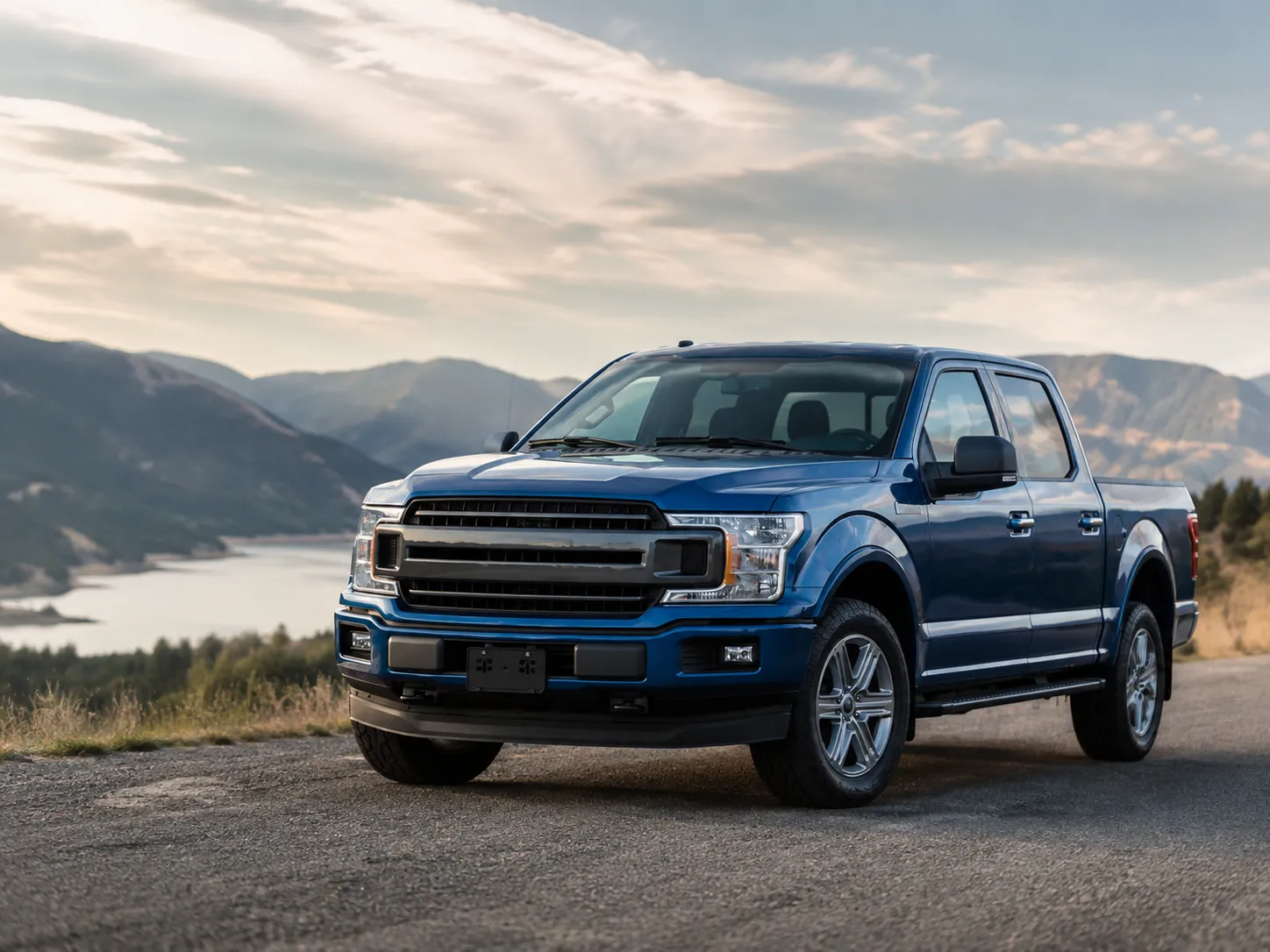
Vehicle-to-load can also be useful for businesses and professionals. Pickups, vans and other utility vehicles may be able to power smaller tools, inspection equipment, portable lighting and electronic devices at temporary work locations.
For contractors, maintenance teams and outdoor workers, this can reduce the need to transport a separate generator for certain low- or medium-power applications. However, the actual suitability depends on the vehicle’s continuous output rating and the electrical requirements of the equipment.
3. Emergency Power During Outages
In areas where electricity supply is unreliable, a vehicle with vehicle-to-load capability can provide temporary electricity for essential devices. It may keep phones charged, operate LED lighting or power communication equipment during a short outage.
However, customers should understand that this is not equivalent to a dedicated home backup system. The available energy is limited by the vehicle’s battery capacity, discharge settings and power conversion efficiency.
4. How Vehicle-to-Load Improves EV Ownership
For many buyers, the appeal of V2L is not simply its technical specification. It changes how they can use their vehicles in everyday life. A car can become a transport solution and an additional source of electricity when needed.
This practical value also gives dealers an effective way to demonstrate the advantages of electric vehicles. A simple demonstration using a kettle or camping lamp can communicate the feature more clearly than a specification sheet alone.
What Importers Should Check Before Promoting Vehicle-to-Load
Not every V2L system offers the same performance. Importers should verify the specifications of the exact model and trim rather than assuming that all vehicles from the same manufacturer provide identical functionality.
1. Maximum and Continuous Output Power
Output power is one of the most important specifications. It determines which appliances the vehicle can operate.
For example, a small LED lamp requires relatively little electricity, while an electric kettle or power tool may require considerably more. Importers should ask manufacturers for both the maximum output and the continuous rated output, usually expressed in kilowatts (kW).
A vehicle may support a high peak output for a limited period but provide a lower continuous rating. This distinction matters when customers intend to run appliances for extended periods.
2. Socket and Plug Compatibility
Check how electricity is delivered and whether the required adapter is included.
Different markets use different socket designs and plug standards. A vehicle supplied for the Chinese domestic market may not automatically be compatible with the electrical accessories commonly used in Europe, Australia or other export destinations.
Importers should confirm whether an adapter is supplied, whether additional accessories need to be purchased and whether the equipment complies with local electrical safety requirements.
3. Voltage and Frequency
Electrical compatibility involves more than the physical plug. Voltage and frequency must also match the requirements of the devices being powered.
For example, many markets use 220–240 V systems, while others commonly use 110–120 V. Frequency standards can also differ, typically 50 Hz or 60 Hz.
Importers should verify the actual output specifications and avoid assuming that a vehicle designed for one market will work with every appliance in another.
4. Trim-Level Availability
A feature listed in a manufacturer’s general brochure may not be available on every version of the vehicle.
Some models include V2L as standard equipment, while others require an optional package or a specific adapter. In some cases, different battery configurations or trim levels may have different functions.
Always confirm the equipment list for the exact vehicle being purchased and make sure the agreed specification is recorded on the proforma invoice.
5. Battery Discharge Limits
Most electric vehicles have battery protection settings that prevent excessive discharge. The vehicle may stop supplying external power once the battery reaches a predefined minimum state of charge.
This is important because customers may expect to use the vehicle’s entire battery capacity. In practice, the available energy for external devices is usually lower than the total nominal battery capacity.
Importers should ask manufacturers whether the discharge limit can be adjusted and whether users can set a minimum battery reserve for driving.
6. PHEV and Range-Extended Models
Plug-in hybrid electric vehicles (PHEVs) and range-extended electric vehicles (EREVs) may operate differently from fully electric vehicles.
When the battery reaches a low state of charge, some models may use their combustion engine to maintain or generate electrical energy, while others may restrict external power output or change operating behaviour.
Do not assume that every hybrid model can continuously provide the same vehicle-to-load performance as a fully electric vehicle. Confirm the manufacturer’s operating conditions, particularly when the battery is low.
7. User Manual and Warranty Conditions
Finally, check the official user manual for operating restrictions, permitted loads, safety warnings and recommended usage conditions.
Importers should also clarify whether external power supply is covered by the vehicle’s warranty and whether any specific requirements apply to the battery or electrical system.
Providing accurate documentation helps prevent misunderstandings after delivery and gives customers greater confidence in the product.
Setting Realistic Expectations
Although vehicle-to-load is useful, it should not be marketed as a complete replacement for a home backup power system.
The amount of energy consumed depends on both the appliance’s power rating and how long it operates. For example, a 2 kW appliance running continuously for five hours consumes 10 kWh of electricity, before accounting for conversion losses.
For a vehicle with a relatively small battery, this can represent a significant amount of stored energy. Running several high-power appliances simultaneously will reduce the available driving range more quickly.
Customers should also understand that the vehicle may have restrictions on the total connected load and may automatically stop supplying electricity when its battery reaches the minimum permitted level.
The best way to present V2L is as a convenient source of short-term electricity for outdoor activities, work applications and emergency situations, rather than promising unlimited household power.
How to Present Vehicle-to-Load to Customers
For importers and dealers, clear product information is more valuable than simply adding another feature to a vehicle listing. You can see how we list specifications on our new energy vehicles pages.
When advertising a model, include the actual output power, voltage, frequency, socket type and compatible trim levels whenever this information is available. Clearly state whether the necessary adapter is included or needs to be purchased separately.
A short demonstration video can also make a significant difference. Showing a kettle operating, a laptop charging or camping lights running from the vehicle helps customers understand the practical benefits immediately.
It is equally important to explain the limitations. Buyers should know the minimum battery reserve, maximum supported load and any restrictions on using the function while driving or when the vehicle is parked.
For international buyers, accurate specifications are particularly important because electrical standards, plug types and operating requirements vary between markets.
Final Thoughts
Vehicle-to-load is a practical feature that expands the role of an electric vehicle beyond transportation. From weekend camping and temporary worksites to short-term emergency power, it offers additional convenience that many customers can appreciate.
For importers, the opportunity lies in presenting the feature accurately and matching its capabilities to customer needs. By checking output power, electrical compatibility, trim availability and battery protection settings, dealers can avoid misleading claims and provide more reliable product information.
As Chinese EV manufacturers continue to introduce more practical technologies, features such as vehicle-to-load can help differentiate models and make electric vehicles more attractive to a wider range of buyers. If you are sourcing a specific model, contact our team to confirm its V2L specifications.