Chinese Car Brands Going Global: 5 Shifts Importers Should Watch
Chinese car brands going global are changing what importers and dealers can expect. Learn five lasting shifts in choice, electrified models, technology, overseas support and regulations, and how to plan orders around them.
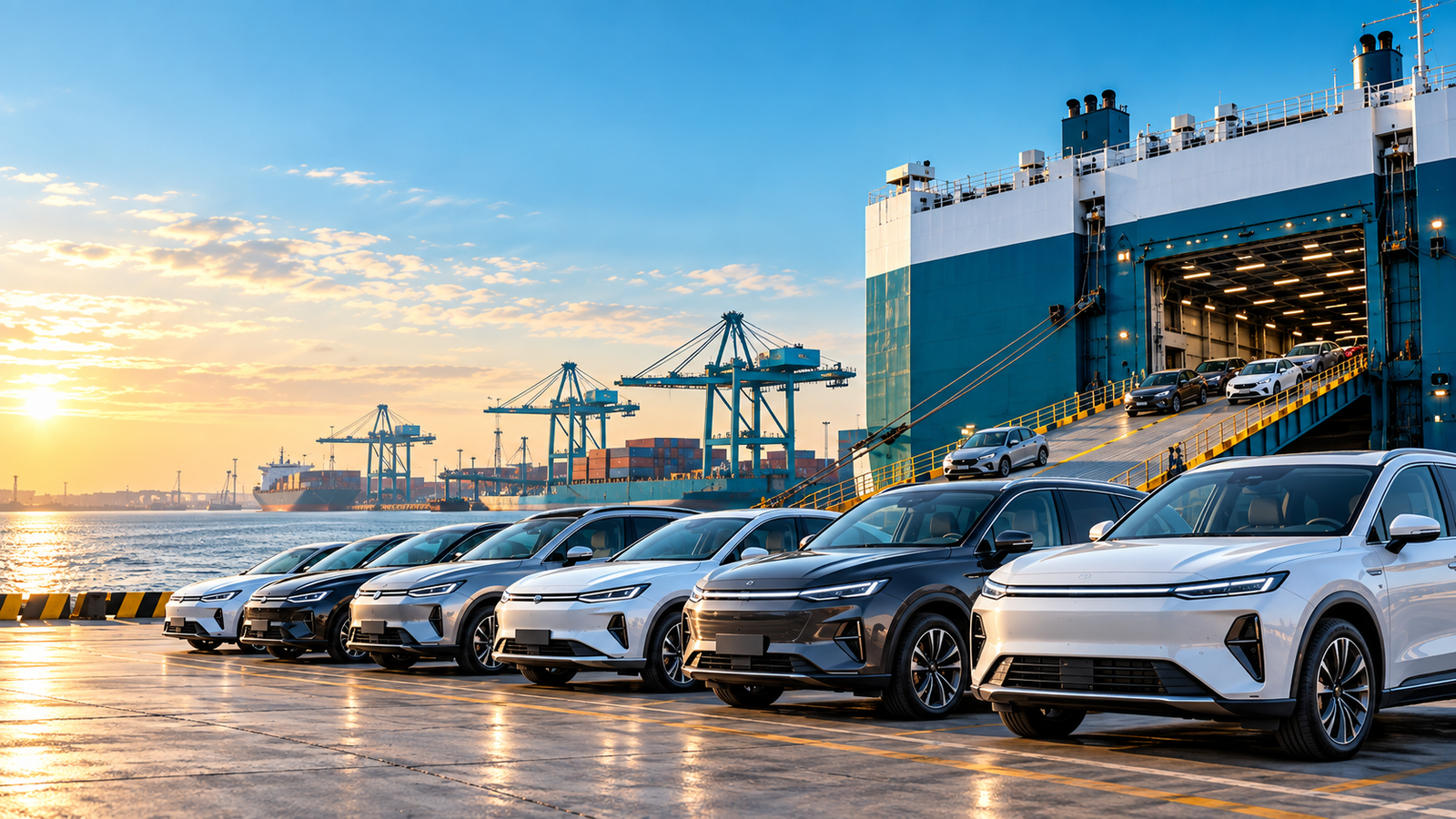
Chinese car brands going global is no longer a future story. More models, more trims and more overseas support are reaching importers and dealers every year, and that changes what buyers can expect from a supplier and how an importer should plan an order.
Instead of listing figures that go out of date quickly, here are five lasting shifts to plan around.
Why Chinese Car Brands Going Global Matters for Importers
Chinese automakers are placing more attention on overseas customers. For importers and dealers, that means more choice and faster product changes, but also more variation in support between suppliers and between markets. Knowing where the market is heading helps you choose models and partners with fewer surprises.
1. More Choice in Every Segment
Buyers can now find Chinese brands across compact cars, family SUVs, pickups, vans and premium models. Competition among brands is pushing manufacturers to offer more trims and features, which gives importers more room to match vehicles to local demand.
2. Electrified Models Are Moving to the Front
New energy vehicles, including battery electric, plug-in hybrid and extended-range models, are a major part of many Chinese brands’ export strategy. For importers, the question is less “should we consider electrified cars?” and more “which type fits our charging network and customers?”
For current market data, the IEA Global EV Outlook is a useful reference that is updated every year.
3. Technology Is a Selling Point
Large touchscreens, driver assistance, connected services and over-the-air updates are common selling points. Some features depend on local network support, language and regional software versions, so confirm what works in your country before promising it to buyers.
4. Brands Are Building Overseas Support
Many manufacturers are investing in overseas sales, service and parts networks. This is good news, but support quality still varies by region. Ask each supplier what warranty, parts supply and technical support you can expect locally.
5. Regulations and Incentives Keep Changing
Import duties, emissions rules, safety requirements and EV incentives differ by country and change over time. A model that is attractive today may face new conditions next year.
Check current rules with local authorities or your customs broker before placing a large order.
Quick Reference: Shift vs What to Check
Shift
What to check
More choice
Which trims fit your local demand
Electrified models
Charging network and customer needs
Technology
Local language, network and software support
Overseas support
Warranty, parts supply and service in your region
Regulations
Duties, emissions, safety rules and incentives
What This Means for Importers
With Chinese car brands going global, the importers who do best tend to plan around their own market rather than the latest headline model.
Start with your customer, not the headline model. Look at local fuel prices, road conditions and charging access.
Plan flexible orders. Smaller test batches help you measure demand before committing.
Keep paperwork and specs aligned. Check that the trim, VIN and trade term match on every document before shipment.
Frequently Asked Questions
Why are Chinese car brands going global?
Manufacturers are looking beyond their home market and building overseas sales, service and parts networks. For importers, this means more models and more supplier options to choose from.
Should importers start with electrified models?
It depends on your market. Look at charging access, fuel prices and what your customers need, then choose between battery electric, plug-in hybrid, extended-range or conventional models.
How can I reduce risk when trying a new brand?
Start with a small test batch, confirm specifications and warranty in writing, and check current import rules with your customs broker before placing a larger order.
Stay Ahead With a Reliable Sourcing Partner
At XC Vehicles, we help buyers compare models, confirm specifications and arrange export. Tell us which market you serve and we will send you a clear quote.
Our tiles are crafted from premium melamine or acrylic, chosen for their durability, smooth finish, and resistance to everyday wear. Each set is built to last through years of game nights.
Orders typically ship within 2-3 business days and arrive within 7-12 business days, depending on your location.
Yes, we accept returns within 30 days of delivery for unused items in their original packaging. Please visit our Returns page for full details.
Yes, racks, trays, and other accessories are available individually in our Accessories collection, so you can restock or upgrade without buying a full set.


 17Nov
 17Nov
 17Nov