Car Export Scams from China: 7 Warning Signs and How to Avoid Them
Car export scams follow familiar patterns. Learn seven warning signs, from prices far below market and personal-account payment requests to vague export documents, and the safer practice for each before you pay a supplier in China.
Car export scams are rare compared with the number of honest deals, but they do happen, and they usually follow the same patterns. Knowing those patterns takes only a few minutes and can protect your deposit, your timeline and your business.
This guide covers seven warning signs that appear again and again in car export scams, why each one matters, and what to do instead. If you are still comparing suppliers, our guide on how to choose a reliable car exporter in China is a good place to start.
1. A Price Far Below the Market
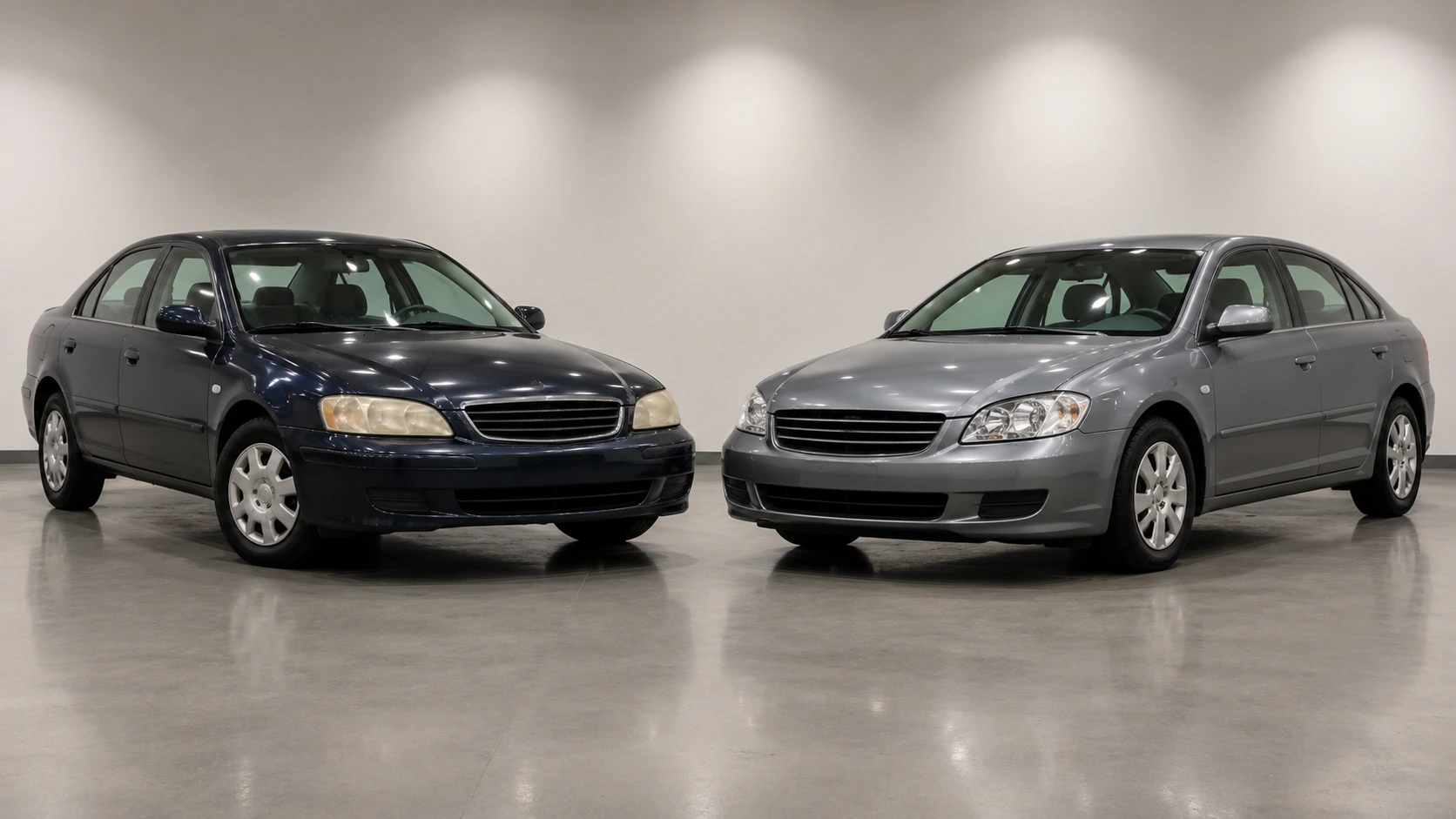
A very low price is the most common bait in car export scams. It attracts attention, then extra fees, a different trim or a missing feature appear later in the process.
What to do: compare quotes for the same model and trim from more than one supplier. Ask exactly what the price includes and which trade term it uses, such as FOB or CIF.
2. Pressure to Pay a Large Deposit Immediately
Messages like “only one unit left” or “price valid today” are designed to make you skip your checks. A genuine exporter understands that you need time to review a quote.
What to do: ask for a written proforma invoice first, review it calmly and confirm the specification before any money moves.
3. Payment Requests to a Personal Account
This is one of the clearest red flags in car export scams. If the account name does not match the company name on the invoice and contract, stop.
What to do: pay only to a company account that matches the contract. Confirm the bank details through an official channel, and treat any last-minute change of account as a reason to pause.
4. Stock Photos Instead of the Real Vehicle
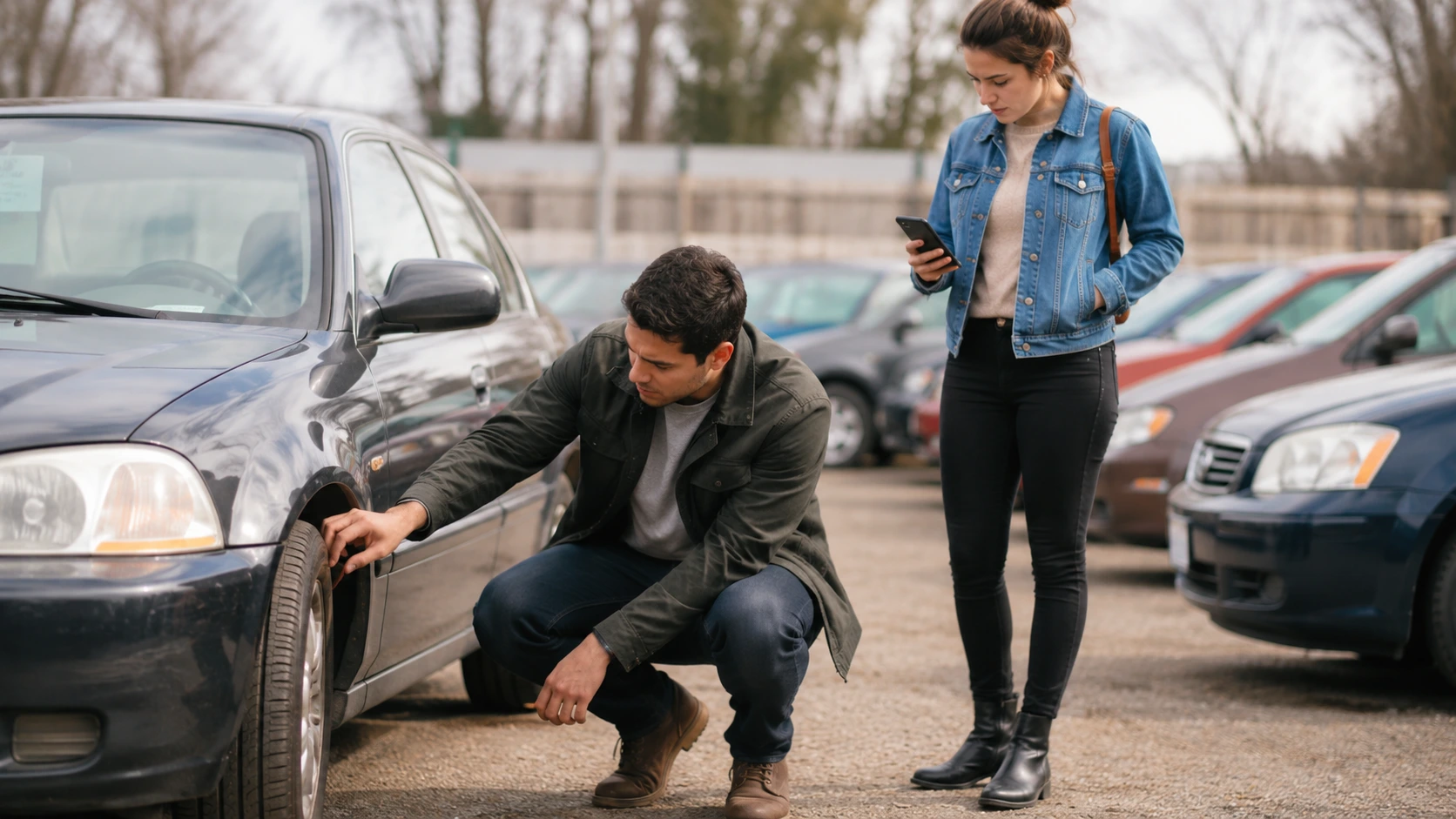
Polished manufacturer images say little about the vehicle you will actually receive. Some scam listings reuse photos from other websites.
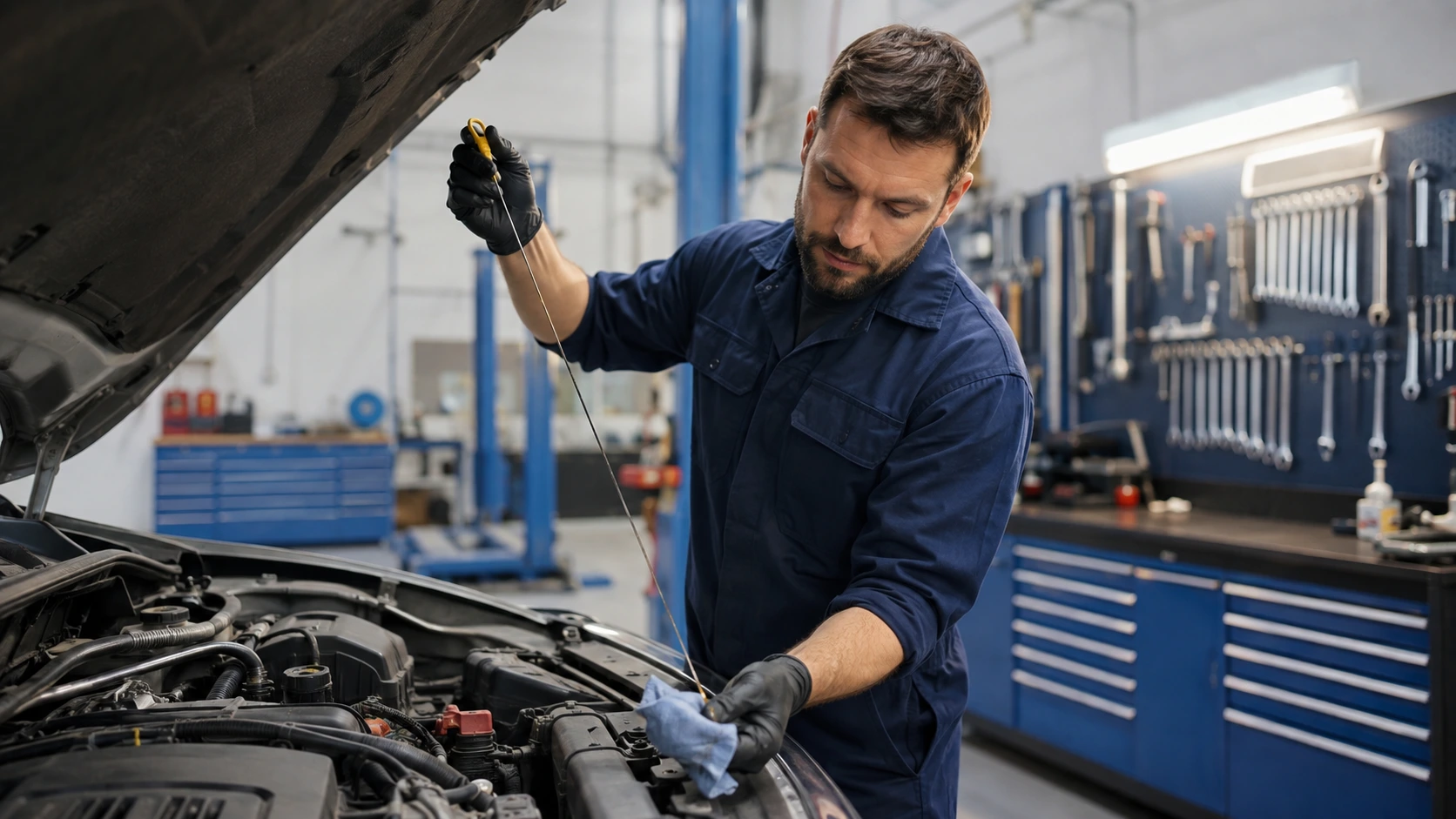
What to do: ask for photos and a short video of the exact vehicle, plus an inspection report. A reliable supplier will share them without hesitation.
5. No Written Quotation or Contract
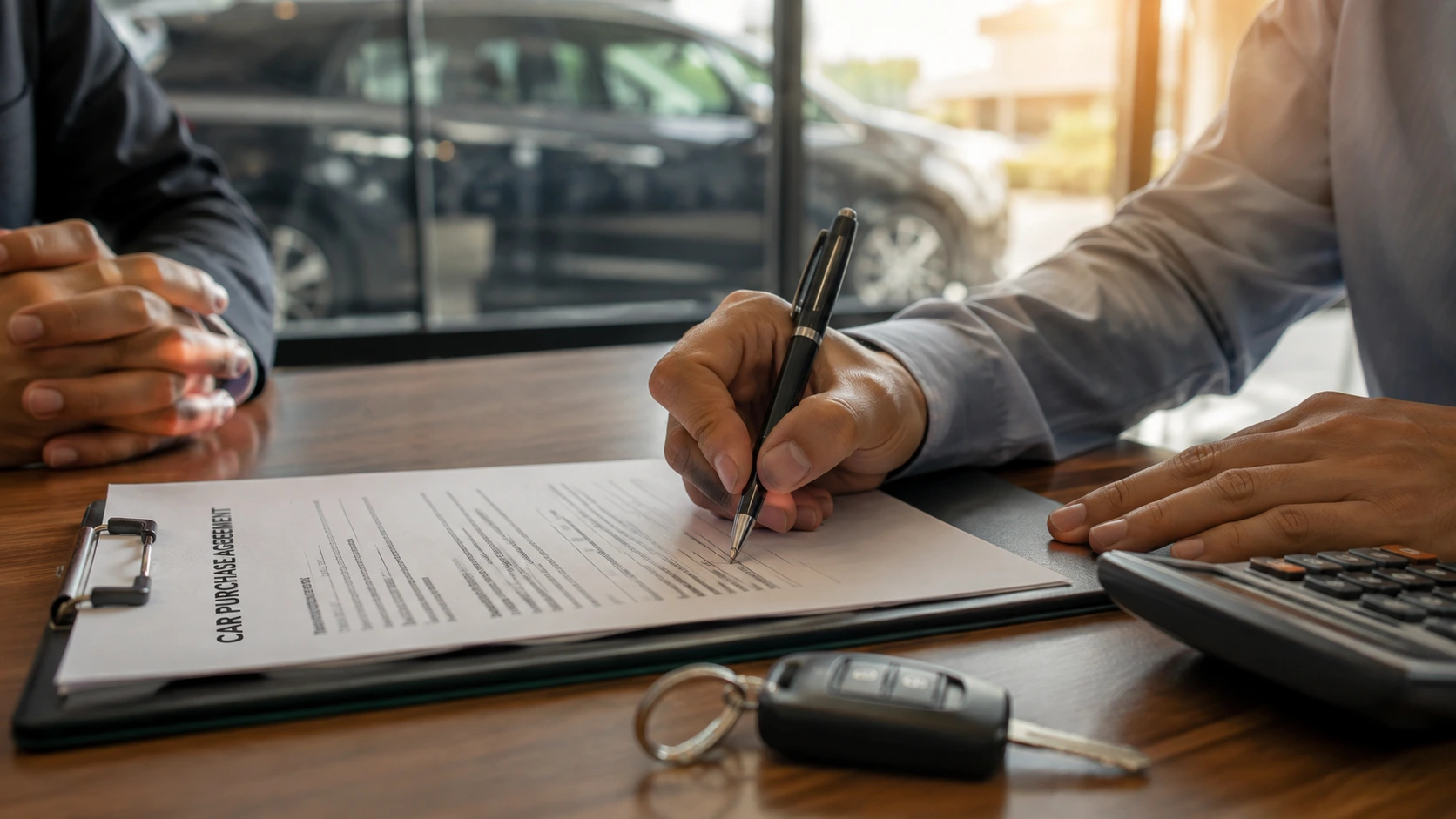
When terms exist only in chat messages, disputes become hard to resolve. Vague wording about specification, delivery time or included costs often leads to disagreements later.
What to do: request a written quotation that lists the specification, unit price, trade term, estimated lead time and what is included.
6. Vague Answers About Export Documents
Missing paperwork can leave a vehicle stuck at the port. If a supplier cannot explain who prepares the customs declaration and shipping documents, that is a warning sign.
What to do: ask which documents you will receive, such as the commercial invoice, packing list and bill of lading. Check your own country’s import requirements with a customs broker before you order.
7. Unwillingness to Answer Questions or Verify the Company
A supplier who avoids questions, dodges requests for company details or goes silent after receiving payment is the biggest warning of all. Real exporters are used to detailed questions.
What to do: ask for the full legal company name, registration details and export experience. Check that the website, email domain and contract details all point to the same company.
Quick Reference: Warning Sign vs Safer Practice
Use the table below as a short checklist to spot car export scams when you review any supplier.
Warning sign
Safer practice
Price far below market
Compare quotes for the same trim and trade term
Pressure to pay now
Review a written proforma invoice first
Personal account
Pay only to the company named on the contract
Stock photos only
Ask for real photos, video and an inspection report
No written terms
Get specification, price and lead time in writing
Vague on documents
Confirm who prepares each export document
Avoids questions
Verify company details before paying
What to Do If Something Feels Wrong
Most car export scams fall apart when you ask for details in writing. Slow down, keep every message, invoice and receipt in one place, and compare the answers with another supplier. Walk away if the explanations stay unclear or the pressure continues.
If you have already sent money and suspect a problem, contact your bank immediately and share your payment records. Acting quickly gives you the best chance of resolving the issue.
Frequently Asked Questions
How common are car export scams?
Most exporters operate honestly, but low-price bait and payment fraud do occur. Simple checks before paying greatly reduce the risk.
Is it safe to pay a deposit before seeing the car?
Many export orders do use a deposit. Protect yourself by confirming the specification in writing, checking the company details and asking for photos and an inspection report before the balance is paid.
What is the safest way to pay an exporter?
Pay by bank transfer to an account in the company’s name, as shown on the proforma invoice and contract. Never send money to a personal account.
Source Vehicles With a Team That Answers Clearly
At XC Vehicles, we make car export scams easy to avoid by confirming specifications in writing, sharing vehicle photos and inspection details, and explaining export documents and shipping before you commit. Tell us your model, quantity and destination port, and we will send you a clear quote.
Our tiles are crafted from premium melamine or acrylic, chosen for their durability, smooth finish, and resistance to everyday wear. Each set is built to last through years of game nights.
Orders typically ship within 2-3 business days and arrive within 7-12 business days, depending on your location.
Yes, we accept returns within 30 days of delivery for unused items in their original packaging. Please visit our Returns page for full details.
Yes, racks, trays, and other accessories are available individually in our Accessories collection, so you can restock or upgrade without buying a full set.



 17Nov
 17Nov
 17Nov