Importing a vehicle from another country involves more than choosing the right model and arranging shipping. Every destination market has its own rules covering vehicle age, emissions, safety standards, taxes, customs procedures and registration.
Understanding these requirements before purchase can help buyers avoid unnecessary delays, unexpected costs and compliance issues.
Import Rules Vary by Country
There is no single set of rules for international vehicle imports.
Different countries may have requirements relating to:
- Vehicle age
- Emissions standards
- Engine size
- Steering position
- Safety specifications
- Documentation
- Customs duties
- Registration procedures
A vehicle that is suitable for one market may not be eligible for another.
That is why buyers should always check local import regulations before confirming an order.
Vehicle Age Limits Can Affect Eligibility
Some countries restrict vehicle imports based on age.
For example, certain markets may only allow vehicles below a specific number of years, while others may apply higher taxes or stricter inspections to older vehicles.
Before purchasing, buyers should confirm how vehicle age is calculated and whether the manufacturing year or first registration date is used.
Emissions and Environmental Standards Matter
Emissions requirements are becoming increasingly important in many markets.
Depending on the destination, imported vehicles may need to meet specific environmental standards or pass local emissions testing before registration.
This can affect older petrol or diesel vehicles as well as certain engine types.
Electric and hybrid vehicles may also be subject to separate technical or battery-related requirements.
Steering Position Can Be Restricted
Some markets primarily use left-hand-drive vehicles, while others use right-hand-drive vehicles.
In certain countries, importing a vehicle with the opposite steering configuration may be restricted or subject to additional requirements.
Buyers should therefore confirm local steering-position rules before selecting a vehicle.
Import Taxes Can Change the Total Cost
The purchase price is only one part of the total cost of importing a vehicle.
Additional expenses may include:
- Customs duties
- Import taxes
- VAT or sales tax
- Port handling fees
- Inspection charges
- Registration fees
- Local transport costs
These costs can vary significantly depending on the destination, vehicle value, engine size, age and other factors.
Calculating the estimated landed cost before purchase can help buyers make better decisions.
Accurate Documentation Is Essential
Vehicle imports typically require several documents.
Depending on the country and shipping method, these may include:
- Commercial invoice
- Bill of lading
- Export documents
- Vehicle identification information
- Certificate of origin
- Inspection documents
- Buyer identification or company details
Missing or incorrect documents can delay customs clearance or registration.
Customs Clearance Happens at the Destination
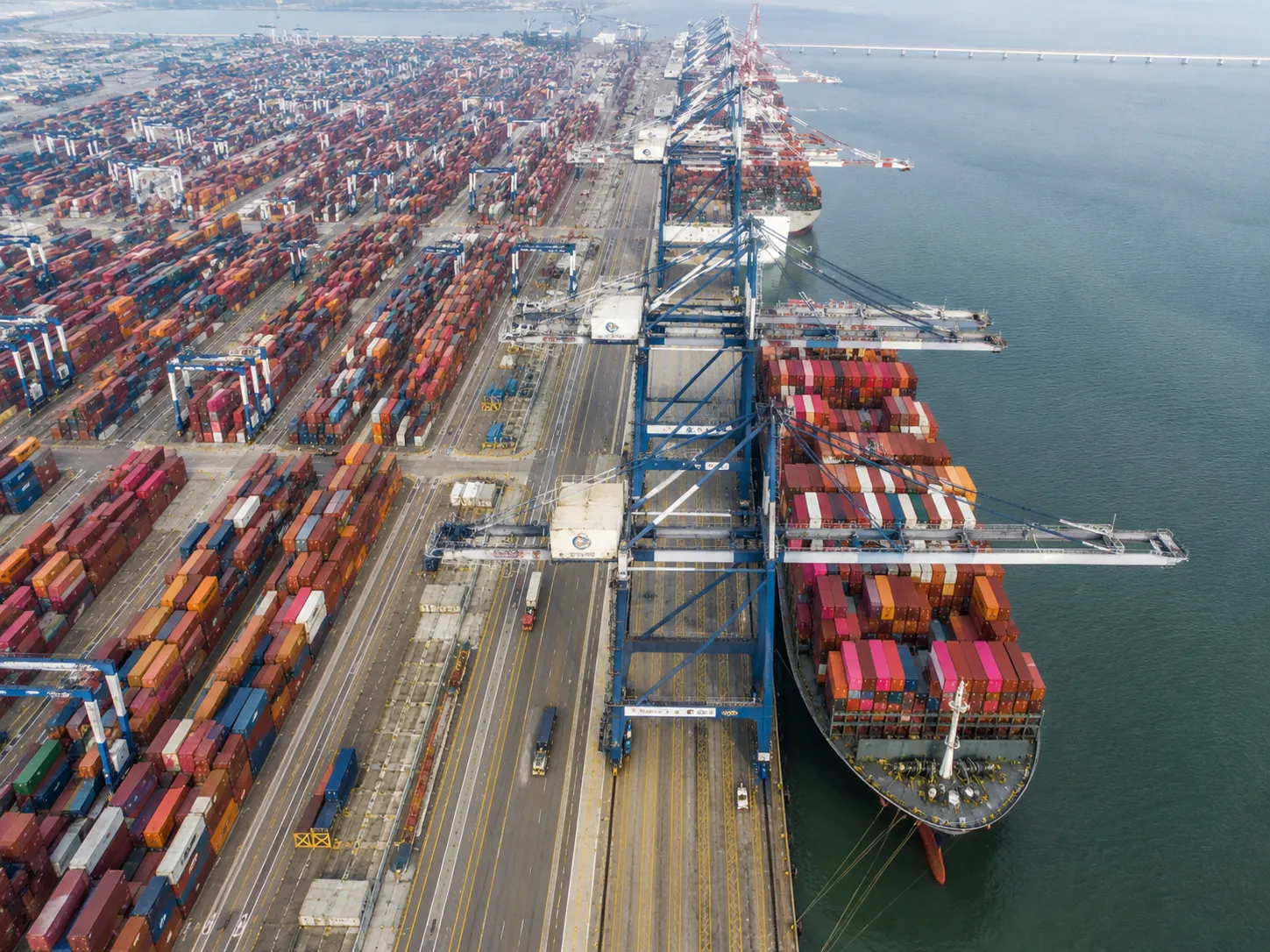
When the vehicle arrives, it normally needs to go through customs clearance before it can be collected or registered.
The process may include document checks, tax payments, physical inspection or confirmation of import eligibility.
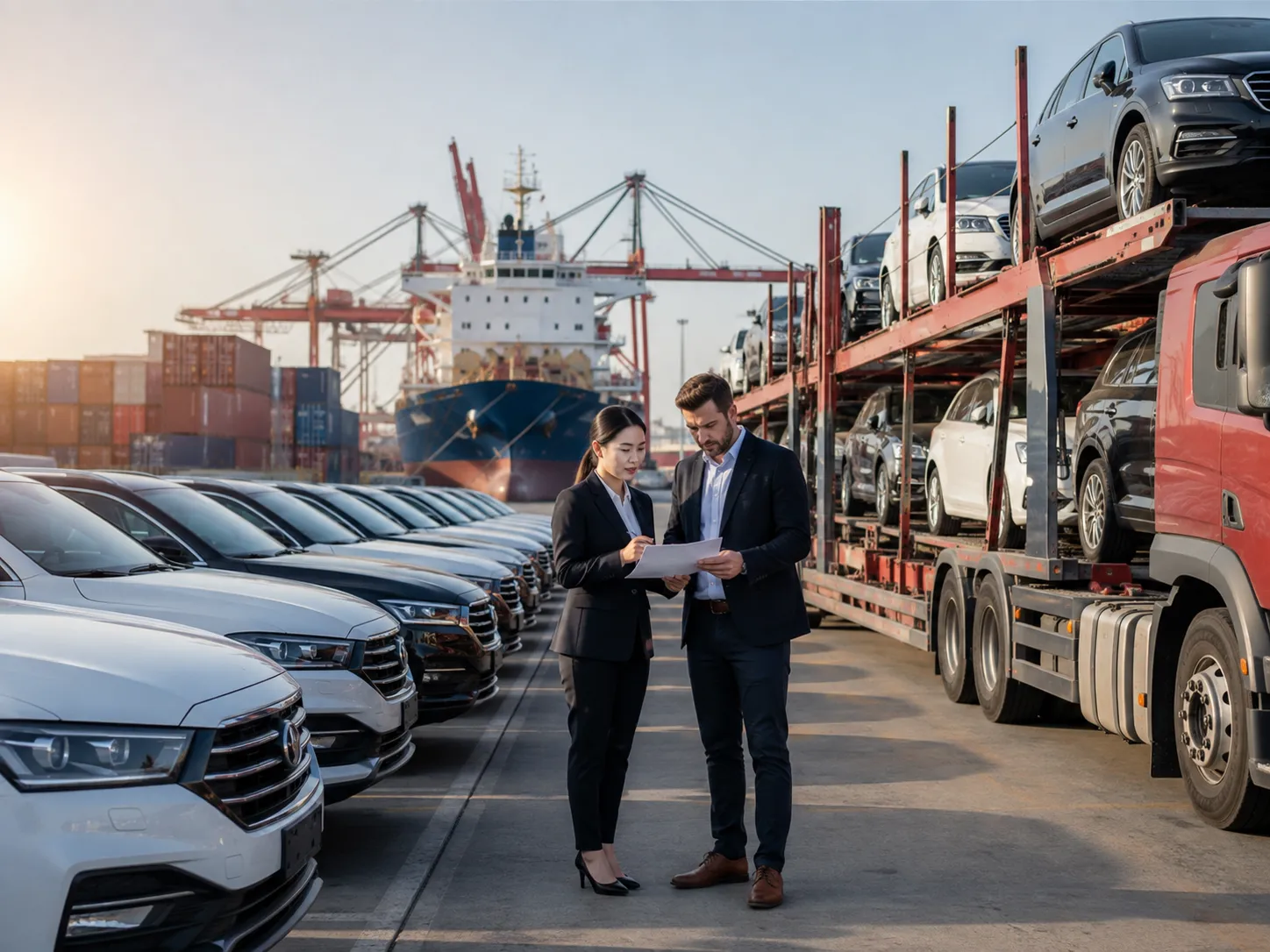
Buyers should understand whether they will handle customs themselves or use a local customs agent.
Registration Requirements Should Be Checked Early
Successfully importing a vehicle does not always mean it can immediately be driven on public roads.
Local registration may require:
- Safety inspection
- Emissions testing
- Insurance
- Ownership documents
- Local taxes
- Technical modifications
Understanding registration requirements in advance can help prevent problems after the vehicle arrives.
Regulations Can Change
Import policies are not always permanent.
Governments may update:
- Age restrictions
- Tax rates
- Emissions rules
- Safety standards
- EV incentives
- Documentation requirements
For this reason, buyers should confirm the latest official requirements before making a purchase rather than relying only on older information.
Better Preparation Makes Importing Easier
Vehicle importing becomes much easier when buyers understand the rules before placing an order.
Checking eligibility, calculating taxes, preparing documents and understanding registration requirements can reduce uncertainty and avoid unnecessary delays.
For international buyers sourcing vehicles from China, early preparation is one of the most important steps in creating a smoother import experience.