As international demand for vehicles continues to grow, shipping networks and port connections are becoming increasingly important to the global automotive trade.
Improved logistics routes can help reduce delivery complexity, shorten transit times and create more reliable shipping options for buyers sourcing vehicles from China.
Why Shipping Routes Matter
International vehicle trade depends heavily on efficient transport connections between inland vehicle locations, export ports and destination markets.
A stronger logistics network can help improve:
- Vehicle transfer efficiency
- Port access
- Vessel availability
- Shipping schedules
- Delivery predictability
- Overall transport costs
For international buyers, this can make the purchasing process easier to plan and manage.
Better Connections Between Inland Transport and Ports
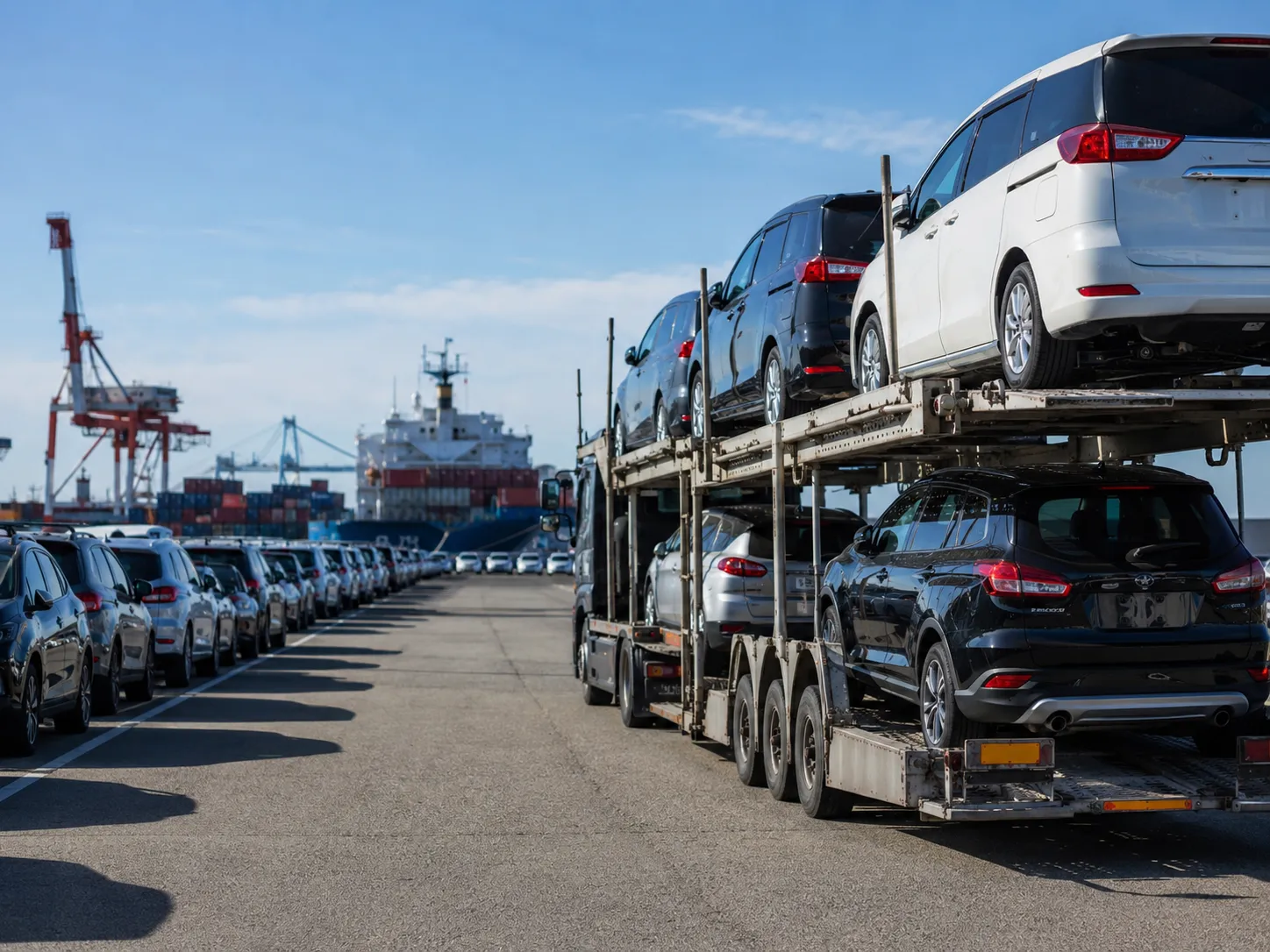
Before a vehicle can be shipped internationally, it must first reach the departure port.
This may involve road transport, vehicle carriers or other domestic logistics arrangements.
Improved connections between vehicle storage locations and major export ports can help reduce unnecessary delays and make the transition from domestic transport to international shipping smoother.
More Flexible International Shipping Options
Different destinations require different shipping solutions.
Common vehicle shipping methods include:
RoRo Shipping
Roll-on/Roll-off vessels allow vehicles to be driven directly onto the ship.
This method can be efficient for standard passenger vehicles and may reduce the need for additional loading equipment.
Container Shipping
Container shipping can offer added protection and may be suitable for high-value vehicles, multiple vehicles or markets where container transport is preferred.
As shipping routes expand, buyers may have more flexibility when choosing between cost, transit time and protection.
Port Capacity Supports Growing Vehicle Exports
Major ports play a central role in international vehicle trade.
More efficient port operations can support larger volumes of vehicles by improving:
- Loading capacity
- Storage space
- Vessel scheduling
- Customs processing
- Export documentation
- Port handling efficiency
When these processes work together, vehicles can move through the export chain more smoothly.
Shipping Schedules Can Affect Delivery Times
International shipping times depend on more than distance.
Factors such as vessel schedules, port congestion, weather, route availability and destination customs procedures can all affect delivery.
Buyers should therefore treat estimated arrival dates as guidance rather than guaranteed delivery dates.
A well-connected logistics network can help reduce uncertainty by offering more routing and scheduling options.
Supporting More International Markets
Expanded shipping routes can also make it easier to serve a wider range of destinations.
For buyers in emerging or less frequently served markets, better port connections may create new opportunities to source vehicles internationally.
This is especially important for dealers and bulk buyers who require consistent access to shipping capacity.
Clear Logistics Information Helps Buyers Plan Better
Good logistics is not only about moving vehicles.
Buyers also need clear information about:
- Departure port
- Shipping method
- Estimated sailing date
- Expected transit time
- Destination port
- Required documents
- Pickup or delivery arrangements
Clear communication helps buyers prepare for customs clearance, registration and final collection before the vehicle arrives.
A More Connected Future for Vehicle Trade
As international vehicle demand grows, logistics networks will continue to play a major role in shaping the global used-car market.
Better port connections, expanded shipping routes and more coordinated transport services can make vehicle exports more efficient and accessible.
For international buyers, this means more shipping options, clearer delivery planning and a smoother journey from vehicle purchase to final arrival.