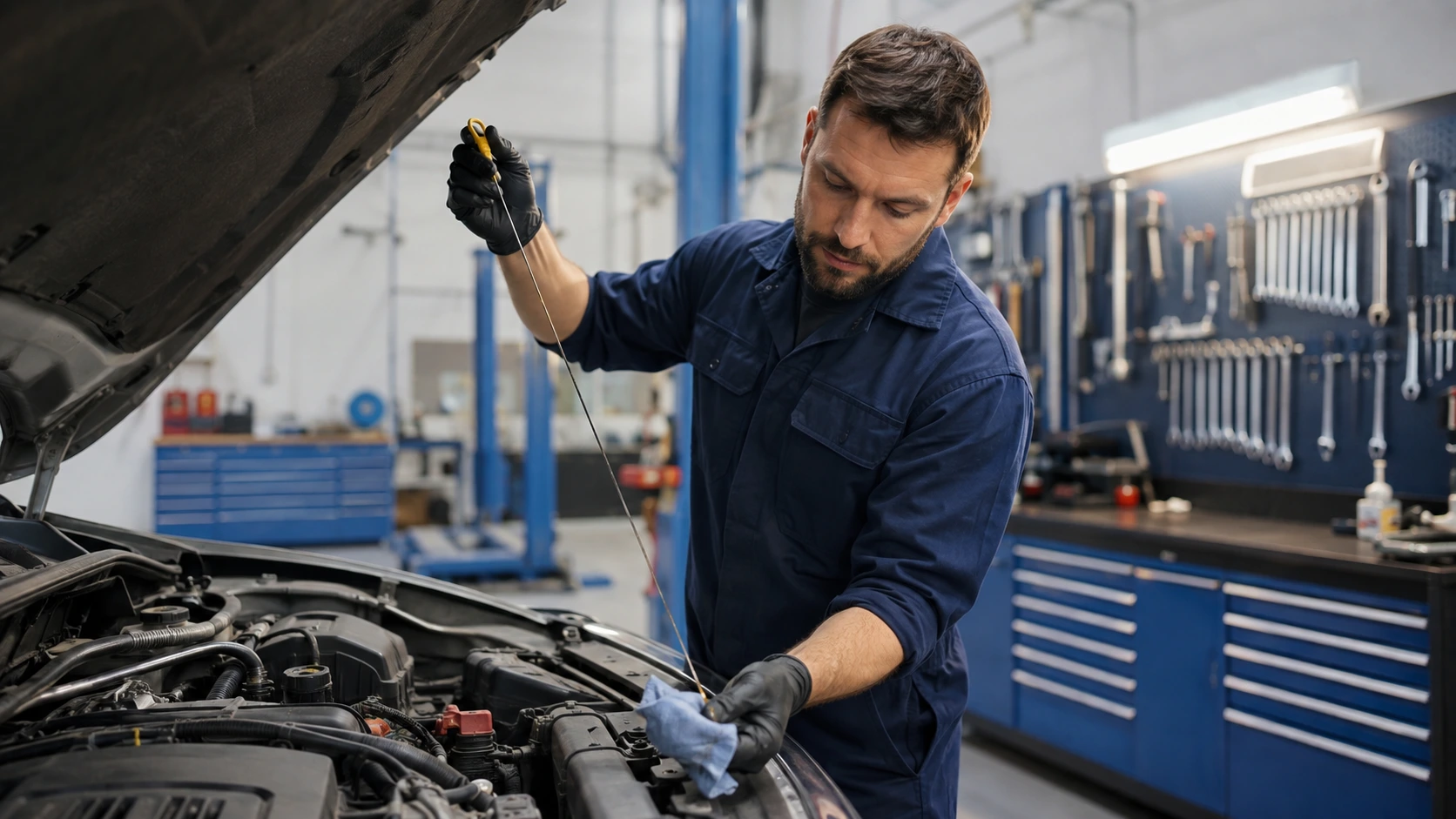
A car does not stop needing care when it arrives at your yard. Weeks or months of waiting for a buyer can drain a battery, flatten a tyre or damage paint. Good imported car storage protects the value of your stock and avoids complaints on the day of sale.
This guide covers six practical imported car storage tips for dealers, plus a simple routine you can give your yard team.
1. Inspect and Record Each Car on Arrival
Start the moment the car leaves the port. Walk around each vehicle and compare it with the photos and report from loading. Check for scratches, dents, water marks, missing keys and loose parts.
Take dated photos of the exterior, interior, dashboard and odometer. If you find damage, report it quickly to your shipping agent and insurer. Comparing the car with its pre-shipment inspection records helps you see what it looked like before it was loaded.
2. Protect the Battery
Batteries are the most common problem in imported car storage. A conventional 12V battery slowly loses charge when a car sits, and a flat battery can also upset electronic systems.
For hybrid and electric models, there is a high-voltage battery as well. Many manufacturers advise against leaving it at a very high or very low charge for long periods. Check the owner’s manual or ask your supplier for the recommended storage level, and do not disconnect any battery unless the manufacturer says so.
3. Check Tyre Pressure and Prevent Flat Spots
In imported car storage, a car that stays in one spot for months can develop flat spots on its tyres, and pressure drops over time. Inflate tyres to the recommended pressure and check them regularly.
Move each car a short distance on a regular schedule so the tyres do not rest on the same contact point. Avoid parking cars on soft, wet or uneven ground.
4. Start and Move Cars on a Schedule
Good imported car storage includes starting a car once in a while, which keeps fluids moving and helps the battery. Many dealers use a regular routine, such as every one to two weeks, but you should always follow the manufacturer’s guidance for each model.
When you start a car, let it run long enough to reach normal operating conditions, test the air conditioning and lights, and roll it forward a few metres to keep brake discs from rusting in one spot. Short starts that last only a moment can do more harm than good.
5. Protect Paint, Interior and Seals
Sun, dust, rain and humidity affect a car even when it is parked. If possible, store cars under cover or in a shaded area, and use breathable covers rather than plastic sheets that trap moisture.
Wash off bird droppings, salt and dust early. Keep windows closed, check for leaks after heavy rain and place moisture absorbers inside the cabin in humid climates. In hot climates, pay extra attention to sun damage on the dashboard, rubber seals and tyres.
6. Keep a Stock Log
Write down every check: date, mileage, battery condition, tyre pressure and any problem found. A simple spreadsheet is enough.
A good imported car storage log shows buyers that the car has been looked after, and it gives you evidence if a warranty question appears later. Our article on warranty for imported cars lists what dealers should confirm with the supplier before the cars go on sale.
A Simple Imported Car Storage Routine
Give your yard team a short routine they can follow:
- On arrival: inspect, photograph and record the car.
- Every week: check tyre pressure, walk around for damage and wash if needed.
- Every one to two weeks: start the car, test main functions and move it a few metres.
- Before delivery: do a full check, charge or refuel as needed and clean inside and out.
Frequently Asked Questions
How often should I start a car in stock?
It depends on the model and the climate. Many dealers start stock cars every one to two weeks, but you should follow the manufacturer’s advice in the owner’s manual.
Should a stored electric car be fully charged?
Not always. Many manufacturers recommend keeping the battery at a moderate charge level for long storage. Check the manual for the exact guidance for your model.
What if a car sits for several months?
For long imported car storage, check the battery and tyres more often, protect the paint and interior, and ask your supplier for advice on the specific model. Keep a record of every check.
Final Thoughts
Imported car storage is a small job that protects a large investment. Inspect on arrival, protect the battery and tyres, move cars regularly and keep a log. These habits keep your stock ready to sell and reduce disputes after delivery.
At XC Vehicles, we help buyers compare models, confirm export specifications and arrange shipping. Tell us which market you serve and we will send you a clear quote and feature list.


 16Nov
 16Nov
 13Nov