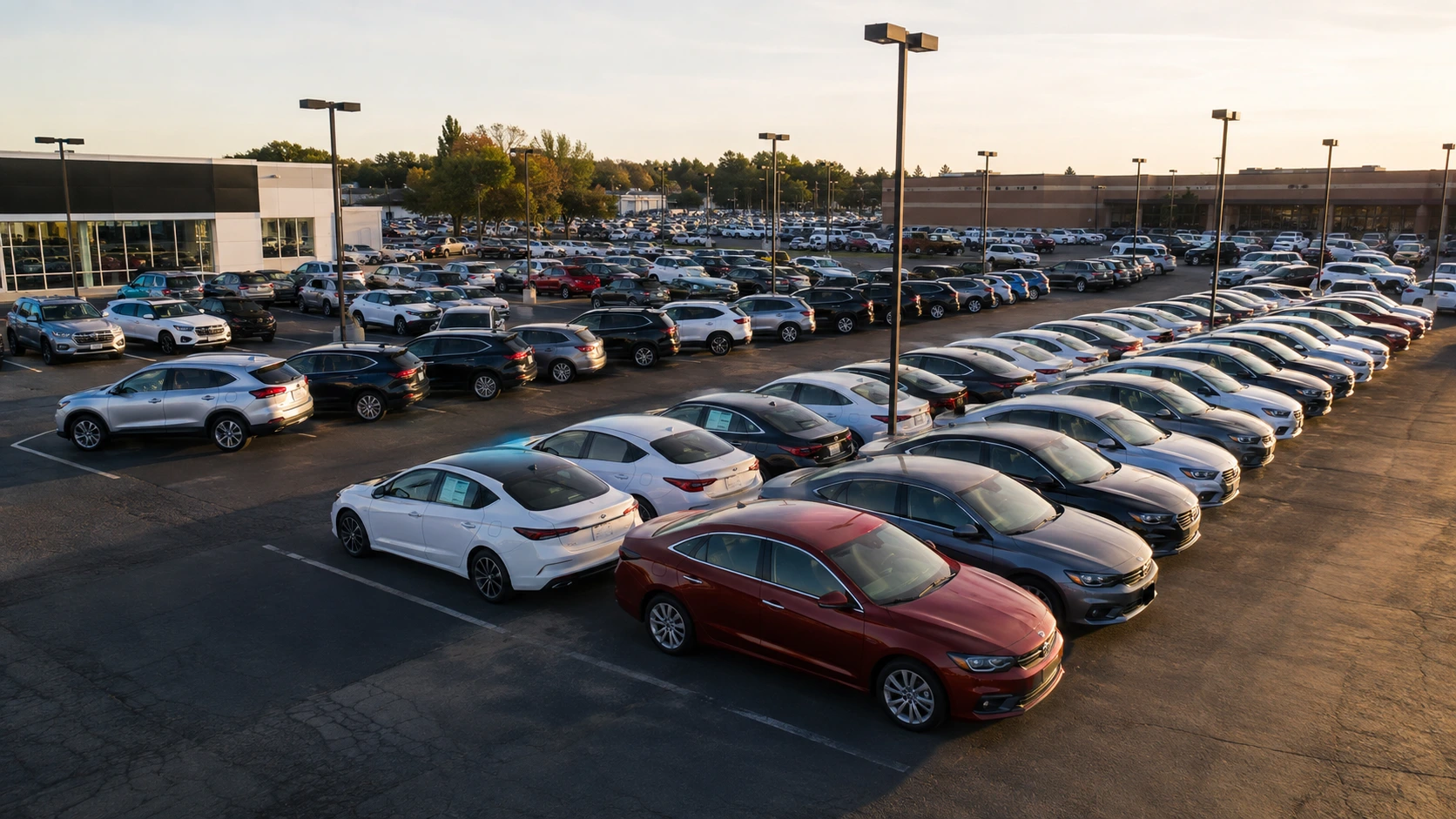
Importing new cars from China can feel overwhelming, especially if it’s your first time. Between comparing models, understanding export prices, checking import rules and arranging international shipping, it’s easy to overlook something important. This guide breaks the process into clear, manageable steps so you can buy with confidence.
1. Set a Realistic Budget
Before you look at a single model, work out your total landed cost, not just the vehicle price. Factor in:
- The vehicle price and the trade terms it is based on (FOB, CIF or others)
- International shipping and marine insurance
- Import duties, taxes and port charges in your country
- Registration, inspection and local transport costs
- Currency exchange rates
Two quotations can look very different until you confirm what each one actually includes. Always compare the total cost to your door, not just the headline price.
2. Check Your Country’s Import Rules First
Import requirements vary widely from country to country. Before you place an order, confirm the rules that apply in your market, such as:
- Emission and safety standards
- Steering wheel position (left-hand or right-hand drive)
- Type approval or certification requirements
- Import licenses or restrictions on certain vehicle types
- Duty and tax rates, which can differ between fuel and new energy vehicles
Your local customs authority or a licensed customs broker can confirm the current requirements. Rules change, so always verify them close to the time of purchase.
3. Decide What You Actually Need
It’s tempting to choose the model that looks best in the photos, but start with your market and your customers:
- Who will use the vehicle: private buyers, fleets or resale customers?
- What are the road and climate conditions where the vehicle will be used?
- Is fuel quality and availability reliable in your area?
- Is there charging infrastructure if you are considering electric or plug-in hybrid models?
- Which body types and price ranges sell best in your market?
Narrowing your search to two or three suitable models makes the process much easier.
4. Research Brands, Models and Specifications
Not every vehicle sold in China is configured for export markets. Before you commit to a model, check:
- The exact specification and trim level for the export version
- Warranty coverage and how it applies outside China
- Availability of spare parts and after-sales support in your country
- Charging port standards and battery details for new energy vehicles
- Language settings for the infotainment system and manuals
Ask for a full specification sheet and confirm anything important in writing.
5. Choose a Reliable Export Partner
Your supplier has a big influence on how smooth the process will be. Look for a partner that:
- Is a registered company with verifiable contact details
- Responds clearly and promptly to your questions
- Provides written quotations and a formal Proforma Invoice
- Explains each step of the export process openly
- Is willing to share photos, videos and documents on request
If a price is far below the market level, or a seller avoids giving clear answers, treat that as a warning sign.
6. Confirm the Quotation and Order Details
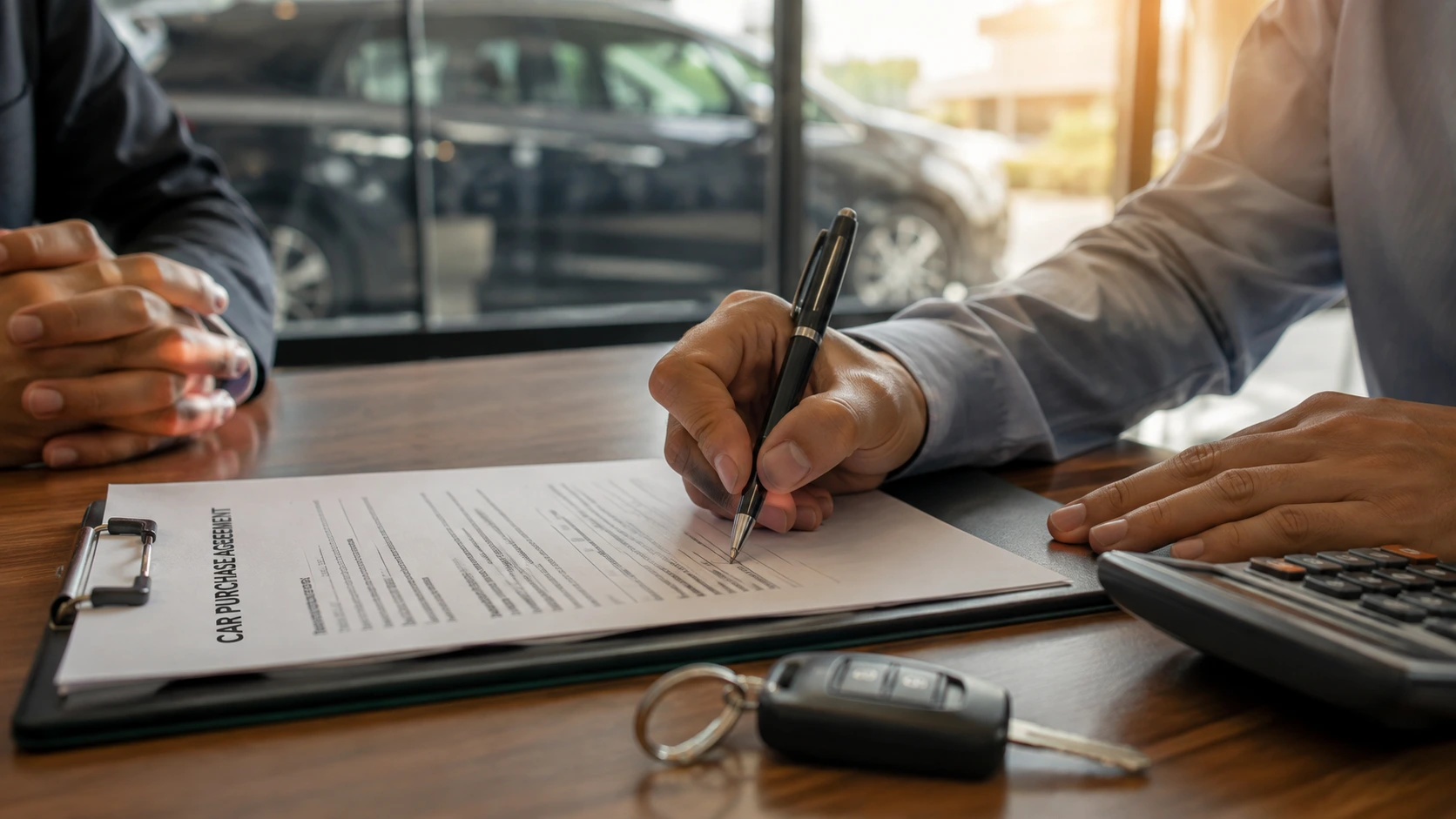
Before you pay anything, make sure the details are agreed in writing. A clear Proforma Invoice should confirm:
- Model, trim, color and specifications
- Quantity and unit price
- Trade terms and what is included in the price
- Payment terms
- Estimated delivery time and port of destination
Small misunderstandings at this stage can turn into costly problems later, so take the time to check every line.
7. Understand Payment and Export Documents
Bank transfer (T/T) is commonly used for international vehicle purchases, usually with a deposit followed by the balance. Always verify the payment details directly with your supplier and confirm that the account name matches the company name on the invoice.
Common export documents may include:
- Commercial invoice
- Packing list
- Bill of lading
- Certificate of origin
- Export declaration
The exact set of documents depends on your destination country, so check what your customs authority requires before shipment.
8. Plan Shipping and Delivery
Vehicles are usually shipped by RoRo (roll-on/roll-off) vessel or in containers. The best option depends on the destination, the vehicle type and port availability. Discuss with your supplier:
- Which shipping method suits your order
- Insurance coverage during transit
- Estimated transit time and shipping schedule
- Shipping updates after dispatch
- Customs clearance and port procedures at your destination
When the vehicle arrives, inspect it against your order, check the paperwork and complete registration according to local rules.
Avoid Common First-Time Importer Mistakes
- Skipping the import rules check. A vehicle that cannot be registered in your country is an expensive problem.
- Choosing on price alone. An unusually low quotation often leaves out shipping, documents or specification details.
- Ignoring the total landed cost. Duties, port charges and local fees can change the picture significantly.
- Not confirming details in writing. Model, color, specification and delivery terms should all appear on the Proforma Invoice.
- Rushing the paperwork. Incomplete or incorrect documents can delay customs clearance.
Final Thoughts
Importing new cars from China doesn’t have to be stressful. With a clear budget, a good understanding of your local import rules, a reliable export partner and careful attention to documents and shipping, you can build a smooth and dependable import process for years to come.


 27Aug
27Aug
 27Aug
27Aug
 27Aug
27Aug